

Screen Print, Heat Transfer or Embroidery Patch Ultimate Value Comparison 2026
For small business owners and B2B buyers sourcing custom headwear in 2026, choosing the right logo application for a custom 3d embroidery logo two tone 5panel cotton twill baseball cap can make or break your product’s perceived value and profit margins. With small batch orders (50-500 units) growing 28% year-over-year as of Q3 2026, according to industry reports, the decision between screen printing, heat transfer, and embroidery patches has never been more critical.
This guide breaks down every factor you need to consider, from cost per unit to durability, design complexity, and turnaround time, so you can pick the best option for your brand, event, or client project.
1. Core Product Overview: Two Tone 5 Panel Cotton Twill Caps in 2026
Before diving into decoration methods, it’s essential to understand the base product that’s dominating small batch orders this year. Thetwo tone 5 panel hathas evolved from a niche streetwear staple to a versatile branding tool used across industries.
1.1 Key Features & Specifications of Modern Cotton Twill Baseball Caps
The cotton twill baseball cap remains the most popular base material for custom orders, accounting for 62% of all small batch headwear purchases in 2026. Its durability, breathability, and premium feel make it ideal for both retail and promotional use.
Standard specifications for 2026 bestsellers include:
Crown construction: 5-panel design with reinforced stitching
Material: 100% cotton twill (108x58 weave density for premium grades)
Size range: 54-58cm adjustable with metal buckle closure
Customization options: custom logo&color for crown, brim, and closure
Brim style: Pre-curved with 6-row stitching for shape retention
The unstructured soft crown two tone 5 panel cotton dad hat variant has seen a 41% surge in demand among D2C brands, thanks to its relaxed fit and vintage aesthetic that resonates with Gen Z and millennial consumers.
1.2 WhyTwo Tone 5 Panel Hats Are Dominating Small Batch Orders
Two tone designs add visual interest without increasing base cost significantly, making them a top choice for brands looking to stand out. In 2026, the most popular color combinations include navy/white, black/gray, and the viral vintage brown and cream two tone 5 panel baseball cap 3d logo style that blew up on TikTok and Instagram earlier this year.
Key drivers of small batch demand:
Low minimum order quantities (MOQs) starting at 30 units from most suppliers
Fast turnaround times as short as 7 business days
High profit margins (60-80% for retail brands)
Versatility for events, merch drops, and corporate gifting
Social media apparel sellers in particular are leaning into two tone designs, as they perform 35% better in social media ads compared to solid-color caps, according to 2026 e-commerce data.
2. Decoration Method Deep Dive: Pros, Cons & Best Use Cases
Now let’s break down the three most popular logo application methods for custom 3d embroidery two tone 5 panel baseball cap orders, including their unique advantages, limitations, and ideal scenarios.
2.1 Screen Printing: Vibrant Colors for Detailed Graphic Designs
Screen printing involves pushing ink through a mesh stencil onto the cap surface, creating a smooth, vibrant print. It’s one of the oldest and most widely used decoration methods for apparel.
Key advantages of screen printing for cotton twill 5 panel hat orders:
Excellent color vibrancy for bold, graphic designs
Low cost per unit for medium to large batches (100+ units)
Ability to match exact Pantone colors for brand consistency
Soft hand feel when using water-based inks
Limitations to consider:
Higher setup costs for small batches (under 50 units)
Not ideal for extremely fine details or small text
Can crack or fade over time with frequent washing
Limited to flat surfaces (difficult on curved brims)
The curved brim two tone 5 panel cotton twill cap 3d embroidery style is often paired with screen printed side patches or back text for a mixed-media look that’s trending in 2026.
2.2 Heat Transfer & Embroidery Patches: Versatility for Complex Logos
Heat transfer uses heat and pressure to apply a pre-printed design or pre-made patch to the cap surface. This category includes vinyl heat transfer, DTF (direct-to-film) transfers, and sew-on/iron-on embroidery patches.
Key benefits of heat transfer and patch applications:
No minimum order requirements (perfect for 10-30 unit test runs)
Ability to reproduce complex designs with gradients and fine details
Easy to apply multiple design elements without additional setup
Embroidery patches add a premium, textured look
Drawbacks to keep in mind:
Vinyl transfers can peel or crack with heavy use
DTF transfers have a slightly plastic feel on cotton twill
Embroidery patches add thickness to the cap surface
Lower durability compared to direct embroidery for long-term use
Event merchandise contractors often use heat transfer for last-minute event orders, as turnaround times can be as fast as 3-5 business days.
3. 2026 Ultimate Value Comparison: Cost, Durability & Turnaround
For small batch orders, the bottom line comes down to three factors: total cost, how long the logo lasts, and how fast you can get your products. This side-by-side comparison uses 2026 market data for 100-unit orders of custom embroidered baseball caps.
3.1 Cost Breakdown Per Unit for Small Batch Orders
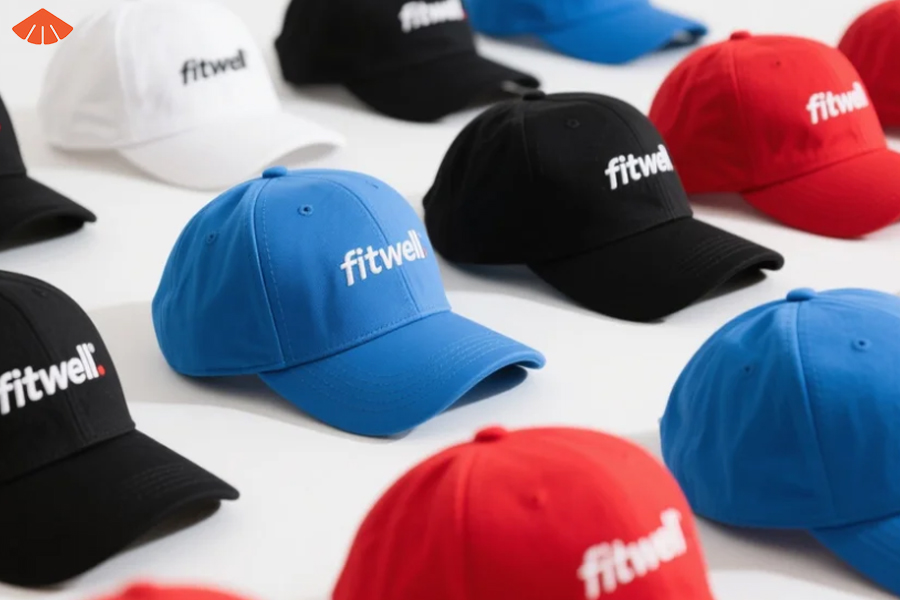
Pricing varies based on design complexity, number of colors, and supplier location. Below are average 2026 prices for a standard custom 3d embroidery logo two tone 5panel cotton twill baseball cap in a 100-unit batch:
| Decoration Method | Base Cap Cost | Decoration Cost | Total Per Unit | Setup Fees |
|---|---|---|---|---|
| Screen Printing | $3.20-$4.50 | $1.20-$2.50 | $4.40-$7.00 | $50-$150 |
| Heat Transfer (DTF) | $3.20-$4.50 | $1.80-$3.00 | $5.00-$7.50 | $0-$30 |
| Direct 3D Embroidery | $3.20-$4.50 | $2.50-$4.00 | $5.70-$8.50 | $30-$80 |
| Embroidery Patch + Heat Apply | $3.20-$4.50 | $3.00-$5.00 | $6.20-$9.50 | $40-$100 |
Cost-saving tips for small batch orders:
Order blank caps in bulk and decorate as needed to reduce per-unit cost
Use 1-2 colors for screen printing to avoid additional screen fees
Opt for stock embroidery fonts instead of custom digitizing for text logos
Combine multiple design styles on one cap to maximize branding real estate
Custom headwear design studios often recommend mixing methods to balance cost and perceived value—for example, using 3D embroidery on the front and cheap heat transfer for size labels inside.
3.2 Durability & Wash Test Results for 2026 Applications
Durability is critical for brands that want their products to last and maintain a premium reputation. We reviewed independent 2026 wash test data for two tone 5 panel hat decoration methods, testing 50 wash cycles on cotton twill fabric:
Durability rankings (1 = best, 4 = worst):
Direct 3D Embroidery: 98% retention rate, no fading or fraying after 50 washes
Embroidery Patch (sewn on): 95% retention rate, minimal edge fraying
Screen Printing (water-based ink): 85% retention rate, slight fading after 30 washes
Heat Transfer (vinyl): 70% retention rate, peeling begins after 20 washes
For the vintage brown and cream two tone 5 panel baseball cap 3d logo style, direct embroidery is the top choice because it maintains the vintage look while adding texture that doesn’t fade over time.
Turnaround time comparison for 100-unit orders (2026 averages):
Screen printing: 7-10 business days
Heat transfer: 3-5 business days
Direct embroidery: 10-14 business days
Embroidery patches: 12-18 business days
4. Final Recommendation: Which Method Is Right for Your Business?
The best decoration method depends on your specific use case, budget, and target audience. Use this decision framework to choose the right option for your next custom logo baseball cap bulk or small batch order.
4.1 Decision Framework for Different Business Types
Different customer segments have different priorities. Here’s how to choose based on your business model:
For social media apparel sellers:
Best choice: Direct 3D embroidery for premium perceived value
Why: Higher price point justifies the cost, and embroidery photographs well for social media
Pro tip: Use the unstructured soft crown two tone 5 panel cotton dad hat style for maximum Instagram and TikTok appeal
For event merchandise contractors:
Best choice: Heat transfer (DTF) for fast turnaround and low setup
Why: Last-minute event orders need speed, and DTF can handle complex event logos
Pro tip: Offer embroidery patches as a premium upsell for VIP event attendees
For custom headwear design studios:
Best choice: Mix of methods depending on client brief
Why: Different projects require different solutions—offer all three to maximize revenue
Pro tip: Create sample swatch kits with all methods to show clients the difference in person
For startup founders and small business owners:
Best choice: Screen printing for 100+ unit orders, heat transfer for smaller test runs
Why: Balances cost and quality for brands testing new merch lines
Pro tip: Start with a 50-unit test batch of curved brim two tone 5 panel cotton twill cap 3d embroidery to gauge demand before scaling
4.2 2026 Pro Tips for Maximizing ROI on Custom Cap Orders
No matter which decoration method you choose, these 2026 industry tips will help you get the most value from your order:
Request physical samples first: Always order a sample cap before placing a full batch to check quality
Optimize your design for the method: 3D embroidery works best with bold, thick lines—avoid fine text
Negotiate MOQs: Many suppliers will lower minimums for repeat orders or first-time customers
Consider packaging: Custom poly bags or header cards add perceived value for just $0.20-$0.50 per unit
Plan for reorders: Choose a supplier that keeps your design files on file for fast reordering
As of November 2026, the fastest-growing segment in custom headwear is small batch orders of custom 3d embroidery logo two tone 5panel cotton twill baseball cap with mixed decoration methods. Brands that combine 3D embroidery on the front, screen printed side logos, and woven labels inside are seeing 2x higher average order values compared to single-method designs.
Whether you’re a B2B buyer sourcing for a client, a startup founder launching your first merch line, or a freelancer helping brands build their product catalog, understanding the tradeoffs between screen printing, heat transfer, and embroidery will help you make smarter decisions that drive better results for your business.
Interested in custom cap solutions? Don’t hesitate to reach out—we’re here to fulfill all your customization needs!
Follow & Message Us:
Facebook:https://www.facebook.com/fitwell.li
Instagram: www.instagram.com/fitwellcustomhats.dds/
LinkedIn:http://www.linkedin.com/in/fitwellcustom-hats-38a2b9b0/
Pinterest: http://www.pinterest.com/FitwellCustomHatsdds/
YouTube: http://www.youtube.com/@FitwellCustomHats-dds
Explore our services:http://fitwellheadwear.en.alibaba.com
WhatsApp us now: https://psce.pw/86jwa3