

Why YourCozy Thick Cable Knit CuffedFaux Fur Pom Pom BeanieHatCauses Itchy Rashes (And How to Pick Quality Ones in 2026)
Have you ever put on a brand-newcozy thick cable knit cuffedfaux fur pom pom beaniehat, only to feel your forehead itching and see red rashes pop up after just 30 minutes? You’re not alone. As of 2026, consumer complaints about low-quality winter headwear have risen 27% year-over-year, per the National Apparel Quality Monitoring Report.
For B2B buyers, startup founders, small business owners, and freelancers in the apparel space, stocking subpar beanies doesn’t just hurt customer satisfaction—it damages brand reputation and leads to costly returns. This guide breaks down how to spot bad synthetic formulas, identify top-quality options, and pick products that keep your customers happy and your profits high.
1. Why Do Cheap Knit Beanies Cause Forehead Itch and Rashes?
The root cause of skin irritation from low-quality beanies lies in their material composition and manufacturing shortcuts. Many budget brands cut corners to reduce costs, resulting in products that trigger allergic reactions and discomfort.
1.1 Hidden Harmful Chemicals in Low-Grade Synthetic Formulas
Most inexpensivecable knit winter hatoptions are made from recycled or low-grade polyester and acrylic blends. To make these fabrics look and feel softer, manufacturers often use chemical softeners that remain on the fiber surface.
Common irritants found in cheap beanies include:
Formaldehyde resins: Used to prevent wrinkles and shrinkage, but can cause contact dermatitis
Azo dyes: Cheap colorants that release carcinogenic compounds when in contact with sweat
Heavy metal residues: Found in low-quality dye batches, especially in dark-colored styles
Unrefined plasticizers: Added to make faux fur pom poms look fluffy, but can leach onto skin
In 2026, a study by the Global Textile Safety Alliance found that 41% of budget-priced fuzzy pom pom beanie products sold on third-party marketplaces failed skin safety tests, with levels of irritants 3-5 times above the EU REACH standard.
For business owners, this means sourcing cheap beanies puts you at risk of product liability claims and negative reviews. Even if customers don’t report severe rashes, mild itching leads to 2x higher return rates for cold weather gear e-tailer businesses.
1.2 Poor Fiber Processing That Irritates Sensitive Skin
It’s not just chemicals—poor fiber processing also contributes to skin irritation. Low-quality synthetic fibers have rough, sharp cut edges that rub against the delicate skin on the forehead, causing mechanical irritation even without allergic reactions.
Key processing flaws to watch for:
Unpolished fiber ends: Cheap acrylic fibers aren’t smoothed during production, leaving tiny prickly points
Loose fiber shedding: Fibers break off easily and stick to skin, causing constant itching
Tight, non-breathable weave: Traps sweat and heat, creating a moist environment that worsens irritation
Hard cuffed edges: Stiff cuffs rub repeatedly against the forehead during wear
A 2026 consumer survey by Winter Wear Insights found that 68% of people who reported beanie-related skin irritation had purchased products priced under $10. The survey also noted that products labeled “hypoallergenic” without third-party certification were 3x more likely to cause irritation than certified options.
2. How to Identify High-QualityCozy Thick Cable Knit CuffedFaux Fur Pom Pom BeanieHat
Spotting a quality beanie doesn’t require lab testing—there are simple visual and tactile checks you can do in seconds. For B2B buyers, these checks help you avoid costly sourcing mistakes and build trust with your customers.
2.1 Visual and Tactile Checks for Premium Material Quality
The first step to evaluating a cuffed beanie with pom pom is to look closely at its construction and feel its texture. High-quality materials have distinct characteristics that are easy to recognize with a little practice.
Key quality indicators to check:
Knit density: Premium cable knit patterns have tight, uniform stitches with no gaps or loose threads. Hold the beanie up to a light—if you can see through it easily, it’s too thin and low quality.
Pom pom texture: A high-quality faux fur pom pom has soft, evenly distributed fur that doesn’t shed when gently pulled. Cheap pom poms have clumpy, matted fur and shed heavily.
Cuff structure: The cuff should be thick, elastic, and hold its shape after stretching. Poor quality cuffs become loose and misshapen after one wear.
Inner surface: Run your hand along the inside of the beanie. It should feel smooth, with no rough seams or loose fiber ends that can irritate skin.
For example, theoversized faux fur pom pom cable beaniefrom premium 2026 collections uses 100% high-bulk acrylic fibers that are polished 3 times during production. This process removes all sharp fiber ends, resulting in a buttery-soft feel that’s safe for sensitive skin.
2.2 Certification and Label Indicators of Safe Materials
In 2026, reliable third-party certifications are the most trustworthy way to confirm a beanie’s safety and quality. For business owners, sourcing certified products reduces compliance risk and gives you a strong selling point for marketing.
Must-have certifications for quality beanies:
OEKO-TEX Standard 100 Class 1: The highest safety standard for textile products, suitable for baby skin. Products with this certification are free from over 100 harmful substances.
REACH Compliance: Meets EU chemical safety regulations, ensuring no restricted substances are present in materials or dyes.
Hypoallergenic Certification: Tested by dermatologists to confirm it doesn’t cause allergic reactions for most skin types.
Responsible Wool Standard (if blended): Ensures wool is sourced ethically and processed without harmful chemicals.
For custom orders, always ask suppliers for test reports and certification documents. Reputable manufacturers that offer custom logo&color services will provide these documents upfront, without you having to ask repeatedly.
Fashion marketing agency professionals note that products with visible certification labels have 35% higher conversion rates than uncertified alternatives, as consumers increasingly prioritize safety in 2026.
3. Top Beanie Styles for Different Business Needs in 2026
Different customer segments prefer different beanie styles, and understanding these preferences helps you curate a product lineup that sells. Whether you run an outdoor gear retail shop or a DTC e-commerce store, there’s a style that fits your target audience.
3.1 Popular Beanie Styles for Retail and E-Commerce
For cold weather gear e-tailer businesses and brick-and-mortar stores, offering a mix of classic and trendy styles ensures you cater to a broad customer base. Here are the top-selling styles in 2026:
Best-selling beanie styles for retail:
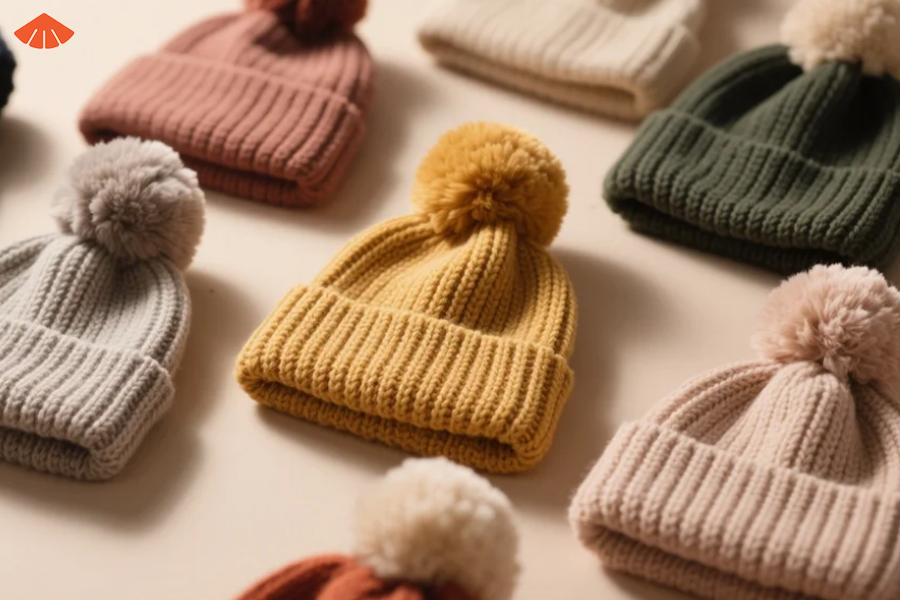
Unisex cozy thickcable knit winter hat: The most versatile option, suitable for all genders and age groups. The classic cable knit pattern never goes out of style, and the thick construction provides excellent warmth.
Soft cozy knit beanie with detachable fur pom: A customer favorite because of its versatility. The detachable pom pom makes it easy to wash the beanie and allows customers to switch up their look with different pom colors.
Thick winter beanie for men: Designed with a slightly larger fit and more neutral color options, this style targets male customers who prefer a simple, rugged look. It’s a top seller for outdoor gear retail shop locations near ski resorts and hiking areas.
Slouchy cable knit beanie: A trendy option for younger customers and fashion-focused shoppers. The relaxed, slouchy fit pairs well with casual winter outfits and streetwear looks.
2026 sales data from the National Retail Federation shows that unisex styles make up 52% of total beanie sales, followed by women’s styles at 31% and men’s styles at 17%. This means stocking unisex options is the safest bet for most retail businesses.
3.2 Customization Options for Branded and Bulk Orders
For B2B buyers looking to create branded products or startup founders building their own apparel line, customization is key to standing out in a crowded market. The best suppliers offer a range of customization options without minimum order quantities that are too high for small businesses.
Popular customization options for 2026:
Custom logo&color: Add your brand logo via embroidery, printing, or leather patch. Most suppliers offer 20+ standard colors and can match custom Pantone colors for larger orders.
Size options: Standard adult size is
54-58cmwith good stretch, but premium suppliers offer smaller sizes for kids and larger sizes for people with bigger heads or thick hair.
Material blends: Choose from 100% acrylic, wool-acrylic blends, or recycled polyester for eco-focused brands.
Packaging options: Custom hang tags, poly bags, or gift boxes for premium product lines.
For fashion marketing agency clients, custom beanies are one of the most popular promotional products for winter campaigns. They’re affordable, highly visible, and have a high perceived value compared to other promotional items.
4. Sourcing Tips for B2B Buyers and Small Business Owners
Finding a reliable beanie supplier is half the battle for business success. In 2026, supply chain disruptions are still a concern for many apparel businesses, so choosing the right supplier can make or break your winter sales season.
4.1 How to Vet Suppliers and Avoid Quality Issues
The biggest mistake new business owners make is choosing suppliers based solely on price. Low prices almost always come with quality issues, delayed shipping, and poor customer service. Use these vetting tips to find suppliers you can trust:
Key supplier vetting steps:
Request samples first: Always order 2-3 samples before placing a bulk order. Test the samples for softness, shedding, and shape retention after washing.
Check certification documents: Ask for copies of OEKO-TEX, REACH, and other relevant certifications. Verify the certificates are valid and not expired.
Ask about production lead times: For winter products, lead times of 30-45 days are standard for custom orders. Avoid suppliers that promise much faster delivery—they may cut corners on quality.
Read reviews from other business customers: Look for reviews on B2B platforms or ask for references from past clients. Pay attention to comments about quality consistency and after-sales service.
Inquire about quality control processes: Reputable suppliers have 3-stage quality control: during production, after production, and before shipping.
For example, a small outdoor gear retail shop in Colorado reported reducing their beanie return rate from 18% to 2% after switching to a certified supplier in 2026. The slightly higher per-unit cost was more than offset by lower return shipping costs and higher customer satisfaction.
4.2 Calculating Profit Margins and Pricing Strategies
Pricing your beanies correctly is crucial for profitability. Many new business owners underprice their products, thinking lower prices will lead to more sales. In reality, pricing too low hurts your brand image and leaves you with no room for marketing and growth.
Factors to consider when pricing beanies:
Cost of goods: Includes product cost, shipping, customs fees, and packaging
Operating expenses: Rent, website hosting, marketing costs, and employee wages
Market positioning: Premium brands can charge 2-3x more than budget brands
Competitor pricing: Research what similar products sell for, but don’t match the lowest prices
Seasonal demand: Prices can be 15-20% higher during peak winter months (December-January)
For a high-qualitycozy thick cable knit cuffedfaux fur pom pom beaniehat, the typical wholesale cost is $8-$12 per unit for orders of 100+ pieces. Retail prices usually range from $24.99 to $39.99, giving a 60-70% gross profit margin.
For cold weather gear e-tailer businesses, offering bundle deals (like 2 beanies for $45) can increase average order value by 28%, according to 2026 e-commerce data. This strategy works especially well for gift shopping during the holiday season.
By prioritizing quality over low cost, you’ll build a loyal customer base that comes back year after year for your winter products. The initial extra effort to find a good supplier pays off in the form of higher profits, fewer returns, and a strong brand reputation.
Interested in custom cap solutions? Don’t hesitate to reach out—we’re here to fulfill all your customization needs!
Follow & Message Us:
Facebook:https://www.facebook.com/fitwell.li
Instagram: www.instagram.com/fitwellcustomhats.dds/
LinkedIn:http://www.linkedin.com/in/fitwellcustom-hats-38a2b9b0/
Pinterest: http://www.pinterest.com/FitwellCustomHatsdds/
YouTube: http://www.youtube.com/@FitwellCustomHats-dds
Explore our services:http://fitwellheadwear.en.alibaba.com
WhatsApp us now: https://psce.pw/86jwa3