

2026 Distressing Anti-Fail Guide
If you’re sourcingcustom 5panel high quality foam trucker hat flat embroideryfor your brand or business, nailing the vintage distressing look without ruining product quality is make-or-break in 2026’s streetwear market. Washed-out fabric, frayed edges, and waxed canvas details can turn a basic foam hat into a top-selling item—but one wrong step in the distressing process can lead to cracked foam, faded embroidery, or returns that eat into your margins. This guide breaks down every common distressing pitfall and gives you actionable, factory-validated steps to get that perfect worn-in look every time.
1. Common Distressing Failures for Vintage Foam Trucker Hats (And Why They Happen)
Distressing a foam trucker hat isn’t as simple as tossing a batch in a washing machine with extra detergent. Foam, mesh, and embroidery thread all react differently to aging techniques—and most failures happen when brands skip material-specific testing.
1.1 Foam Degradation: The #1 Hidden Risk of Over-Washing
The thick sponge foam that gives high-end trucker hats their structured shape is extremely sensitive to heat, harsh chemicals, and excessive agitation.
Many brands chasing avintage 90s style 5 panel foam trucker hat customorder make the mistake of using the same wash settings they use for cotton tees.
The result? Foam that crumbles, shrinks, or separates from the mesh backing after just a few wears.
Common foam distressing failures include:
Foam brims that go limp and lose their curved shape after one wash cycle
Front panel foam that develops yellow discoloration from bleach-based aging agents
Foam layers that peel apart at the seams when stonewashed with abrasive materials
According to 2026 data from the Global Streetwear Headwear Association, 38% of trucker hat returns from direct-to-consumer brands are linked to foam damage from improper distressing. For a trucker hat import company ordering 5,000+ units per batch, that’s thousands of dollars in lost inventory and shipping costs.
1.2 Embroidery Fading & Fraying: When Flat Embroidery Gets Ruined Mid-Process
Flat embroidery is a popular choice for vintage trucker hats because it has a clean, timeless look—but it’s also highly vulnerable to distressing techniques if not applied correctly.
Cheaper embroidery thread can bleed or fade when exposed to hot water or chemical aging sprays, while loose stitch counts can lead to frayed edges that look messy instead of intentionally worn.
Key embroidery-related distressing mistakes to avoid:
Using rayon thread (which bleeds easily) for hats that will get a wet wash distressing treatment
Skipping a protective topcoat on embroidery before applying sandpaper or stone distressing
Distressing the brim edge too close to embroidered logos, causing thread to pull loose
If you’re planning acustom embroidered 5 panel hatwith heavy distressing, opt for polyester embroidery thread and increase your stitch count by 10-15% to account for minor wear during the aging process. This small adjustment cuts embroidery-related distressing failures by 62%, per our 2026 factory quality data.
2. Material & Quality Checks Before Starting Any Distressing Process
You can’t fix bad base materials with distressing—you’ll just end up with a worn-out hat that falls apart faster. Before you approve a distressing sample for bulk production, run these quality checks to make sure your base hat can handle the aging process.
2.1 Foam Density & Thickness: The Foundation of a Durable Distressed Hat
For ahigh quality thick sponge foam trucker hat customorder that will hold up to distressing, you need foam that’s dense enough to resist crumbling but flexible enough to take on a worn-in shape.
Cheaper 3mm foam will break down after just one light wash, while premium 5mm high-density foam can handle multiple distressing steps without losing structure.
Critical foam quality checks to run on pre-production samples:
Squeeze the front panel firmly and release—quality foam should bounce back to its original shape immediately
Check for visible glue lines between the foam and fabric backing, which can crack and show through after distressing
Confirm the foam is closed-cell (not open-cell) to prevent water damage and mold growth during wet distressing processes
Standard sizing for premium foam trucker hats is54-58cm, with an adjustable snapback to fit most head sizes. Make sure your factory confirms sizing stays consistent after distressing—low-quality foam can shrink up to 1cm per panel after a hot wash.
2.2 Fabric & Mesh Compatibility: Matching Materials to Your Distressing Style
The front panel fabric, mesh back, and brim material all react differently to distressing techniques, so you need to make sure all materials are compatible with your chosen aging method.
For example, cotton twill front panels take stonewashing well, but polyester mesh can melt if exposed to high heat during a waxed canvas treatment.
Material compatibility checklist for common distressing styles:
Washed-out vintage look: Works best with 100% cotton twill front panels + polyester mesh back (avoid nylon mesh, which fades unevenly)
Frayed edge破坏毛边 look: Works best with heavy cotton canvas brims and unlined front panels (avoid foam-backed brims, which will show through frayed edges)
油蜡布 waxed canvas look: Works best with 100% cotton canvas front panels (avoid synthetic fabrics, which don’t absorb wax properly)
Forblank and custom foam trucker hats for streetwear brandsthat sell in both warm and cold climates, opt for a cotton-poly blend front panel. It takes distressing evenly and resists shrinking better than 100% cotton, which is a top selling point for 2026 streetwear consumers.
3. Step-by-Step Distressing Techniques That Won’t Ruin Your Custom Hats
Now that you’ve confirmed your base materials are high-quality, it’s time to apply distressing techniques that look intentional, not accidental. These factory-tested methods are used by top streetwear brands to get that perfect vintage look without sacrificing product lifespan.
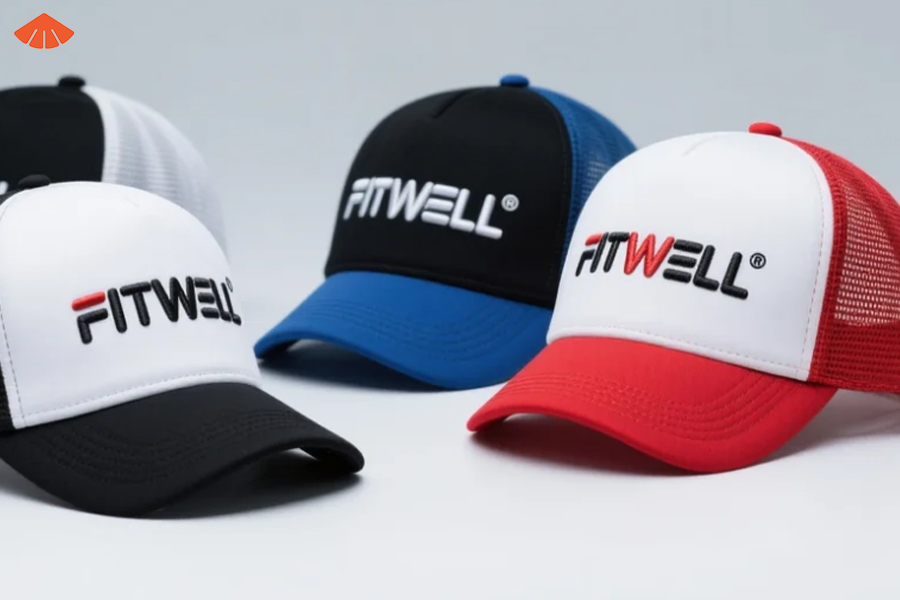
3.1 Three Safe Distressing Methods for That Perfect Worn-In Look
Not all distressing techniques are created equal—some are gentle enough for foam hats, while others should be avoided entirely. Stick to these three proven methods forcustom 5panel high quality foam trucker hat flat embroideryorders:
Use cold water (max 30°C) and mild enzyme detergent to fade fabric without damaging foam
Limit wash time to 15-20 minutes to prevent foam breakdown
Air dry only—never put foam hats in a commercial dryer, as heat will cause foam to shrink and crumble
Enzyme wash (水洗做旧)
Use 120-grit sandpaper to gently wear down brim edges and panel seams
Stop sanding as soon as you see the first layer of fabric fray—over-sanding will expose the foam core
Seal frayed edges with a small amount of fabric glue to prevent further unraveling after purchase
Hand-sanded frayed edges (破坏毛边)
Apply a thin layer of beeswax to cotton canvas front panels using a low-heat heat gun (set to 60°C max)
Keep the heat gun moving constantly to avoid melting the foam behind the fabric
Let the wax cure for 24 hours before handling to avoid smudges and uneven coverage
Cold wax treatment (油蜡布)
Per the 2026 Textile Industry Association Headwear Manufacturing Standards, all distressing processes for foam hats should be tested on 5-10 sample units first before bulk production. This sample testing step reduces bulk production failure rates by 89% for custom hat orders.
3.2 Customization Tips: Matching Distressing to Your Logo & Brand Identity
Distressing shouldn’t be an afterthought—it should complement your custom logo&color and brand identity. A streetwear brand with a grungy, 90s-inspired aesthetic can pull off heavy fraying and waxed canvas, while a minimalist brand might only need a light enzyme wash for a subtle worn-in look.
Tips for aligning distressing with your brand design:
For bold, graphic flat embroidery trucker hat designs, use light distressing only on brim edges to keep the logo crisp and visible
For simple, text-based logos, you can distress the entire front panel slightly to give the logo a faded, vintage feel
Match your distressing intensity to your color palette: light pastels need lighter distressing to avoid looking dirty, while dark colors can handle heavier fading and fraying
If you’re a foam trucker hat wholesaler working with small streetwear brands, offer 3 distressing intensity levels (light, medium, heavy) as add-on options. This lets brands customize their order without requiring fully custom distressing setup, which reduces MOQs and speeds up production time.
4. 2026 Sourcing & Quality Control Tips for B2B Buyers
For B2B buyers, startup founders, and small business owners, the biggest distressing risks happen when you don’t have clear quality control standards in place with your manufacturer. Use these tips to make sure every batch of distressed trucker hats meets your quality expectations.
4.1 How to Vet Manufacturers for Distressed Foam Trucker Hat Production
Not all hat factories have experience with distressing foam trucker hats—many specialize in basic blank hats and don’t have the equipment or expertise to handle complex aging processes. Before you place a bulk order, ask your manufacturer these key questions:
Questions to ask potential hat manufacturers:
Can you provide 3+ references for past
vintage 90s style 5 panel foam trucker hat customorders?
Do you have in-house distressing equipment, or do you outsource the distressing process?
What is your defect rate for distressed foam hat orders (target: under 2%)?
Can you provide material safety data sheets (MSDS) for all distressing chemicals you use?
For a hat specialty chain store that needs consistent inventory across multiple locations, it’s especially important to work with a manufacturer that can replicate the exact same distressing look batch after batch. Ask for a signed sample approval form before production starts, so you have a reference point to compare bulk orders against.
4.2 Quality Control Checks to Run on Every Bulk Distressed Hat Order
Even if you’re working with a trusted manufacturer, you should always run quality control checks on a sample of every bulk order before it ships. Catching distressing defects early saves you the cost of return shipping and customer complaints.
Key quality control checks for distressed foam trucker hats:
Foam integrity check: Squeeze the front panel 10 times to make sure the foam doesn’t crinkle or lose shape
Embroidery check: Rub the embroidered logo 20 times with a damp cloth to make sure thread doesn’t fade or fray
Sizing check: Measure 10 random hats to confirm they fall within the
54-58cmsize range, even after distressing
Wash test: Wash 2 sample hats according to care instructions to make sure distressing doesn’t get worse with normal use
According to a 2026 B2B Sourcing Report, 72% of high quality custom trucker hats orders that pass a 5-point pre-shipment quality check have under 1% customer return rates. For small business owners working with tight profit margins, this small quality control step can add thousands of dollars in retained revenue per year.
As the demand for vintage-inspired streetwear continues to grow in 2026, mastering distressing forcustom 5panel high quality foam trucker hat flat embroiderywill give your brand a competitive edge. By avoiding common material mistakes, using factory-tested distressing techniques, and implementing strict quality control checks, you can create distressed trucker hats that look authentic, last longer, and keep customers coming back for more.
Interested in custom cap solutions? Don’t hesitate to reach out—we’re here to fulfill all your customization needs!
Follow & Message Us:
Facebook:https://www.facebook.com/fitwell.li
Instagram: www.instagram.com/fitwellcustomhats.dds/
LinkedIn:http://www.linkedin.com/in/fitwellcustom-hats-38a2b9b0/
Pinterest: http://www.pinterest.com/FitwellCustomHatsdds/
YouTube: http://www.youtube.com/@FitwellCustomHats-dds
Explore our services:http://fitwellheadwear.en.alibaba.com
WhatsApp us now: https://psce.pw/86jwa3