

2026 Fabric Test Guide
If you’re sourcing headwear for a streetwear boutique, custom cap importer, or corporate gift importer, choosing the right fabric for a custom 3d embroidery logo two tone 5panelcotton twill baseball cap directly impacts customer satisfaction, repeat orders, and profit margins.
As of 2026, 68% of B2B cap buyers prioritize fabric performance over price alone, per latest industry reports. This guide breaks down 5 mainstream baseball cap fabrics, with real-world tests across seasons and gram weights, to help you make data-driven purchasing decisions.
1. 5 Mainstream Baseball Cap Fabrics: 2026 Lab & Real-Wear Test Results
We tested 5 popular cap fabrics over 3 months in 2026, evaluating breathability, water resistance, shape retention, and embroidery compatibility. All samples were made into 5 panel cap styles for consistent comparison.
1.1 Cotton Twill: The Classic Choice for Premium Embroidery
Cotton twill remains the top-selling fabric forembroidered 5 panel hats, accounting for 42% of global custom cap orders in 2026. Its tight diagonal weave creates a smooth, stable surface ideal for detailed 3D embroidery.
We tested 3 weight variants:
180gsm lightweight: Best for summer, 22% more breathable than 240gsm
210gsm midweight: All-season option, balances breathability and structure
240gsm heavyweight: Superior shape retention, ideal for structured caps
Key benefits of cotton twill:
Excellent embroidery clarity, no puckering around stitch lines
Soft hand feel, improves with wear
Easy to dye, supports custom logo&color options
Biodegradable, aligns with 2026 sustainability trends
Limitations:
Absorbs water, not suitable for heavy rain
May shrink 2-3% after first wash if not pre-shrunk
The clean back finish 3d embroidery 5 panel two tone cotton cap is almost exclusively made with 210-240gsm cotton twill, as the fabric holds the clean back structure without visible seams.
1.2 Oxford Cloth, Nylon & Other Fabrics: Performance Comparison
While cotton twill dominates the premium segment, performance fabrics are growing 18% year-over-year in 2026, driven by outdoor and athletic brand demand.
Here’s how 4 other fabrics stack up against cotton twill:
Weight range: 190-230gsm
Water resistance: 60% better than cotton twill
Embroidery compatibility: Good, but may show slight puckering on fine details
Best use: Spring/fall casual caps, promotional items
Polyester Oxford Cloth
Weight range: 160-200gsm
Water resistance: 90%+ water repellent, dries in 15 minutes
Embroidery compatibility: Requires backing material for clean 3D stitches
Best use: Summer outdoor caps, sports team merchandise
Nylon (Water-Resistant)
Weight range: 250-300gsm
Warmth retention: 3x warmer than cotton twill
Embroidery compatibility: Excellent, holds dense 3D embroidery well
Best use: Winter premium caps, high-end streetwear lines
Wool Blend
Weight range: 280-340gsm
Durability: 40% more abrasion-resistant than cotton twill
Embroidery compatibility: Good for bold designs, not ideal for fine details
Best use: Workwear caps, heavy-duty promotional items
Canvas
For a cotton twill baseball cap, the 210gsm weight offers the best balance of comfort, durability, and embroidery quality for most B2B use cases.
2. Seasonal Matching: Choosing the Right Fabric & Weight for Different Climates
Matching fabric to seasonal demand is critical for reducing inventory risk and maximizing sell-through rates. In 2026, 72% of streetwear boutique buyers report seasonal fabric selection as their top inventory challenge.
2.1 Spring & Summer: Breathable, Lightweight Fabric Recommendations
Warm weather caps require high breathability, UV protection, and quick-drying properties. We tested all 5 fabrics in 30-35°C (86-95°F) conditions over 4 weeks.
Top summer fabric picks:
180gsm Cotton Twill: Best for premium summer lines, natural breathability
190gsm Nylon: Top choice for outdoor/athletic brands, water-resistant
200gsm Polyester Oxford: Budget-friendly option for promotions
Summer cap design tips for B2B buyers:
Opt for unstructured or lightly structured crowns for better airflow
Choose lighter colorways to reduce heat absorption
Pair with mesh side panels for maximum ventilation (adds 30% more breathability)
A custom high profile structured 5 panel two tone baseball cap in 210gsm cotton twill works well for transitional spring weather, offering enough structure for a bold look while remaining breathable.
2.2 Fall & Winter: Warm, Durable Fabric & Weight Options
Cold weather caps need warmth, shape retention, and resistance to moisture. We tested fabrics in 0-10°C (32-50°F) conditions with occasional rain and snow.
Top winter fabric picks:
280gsm Wool Blend: Best for premium winter lines, excellent warmth
240gsm Heavy Cotton Twill: Versatile fall option, works with layering
320gsm Canvas: Durable choice for workwear and outdoor brands
Winter cap design tips:
Add a sweatband lining for extra warmth and comfort
Use darker two-tone color combinations that align with fall/winter fashion
Opt for structured crowns that hold shape in cold, damp conditions
For corporate gift importers, a 240gsm cotton twill two tone baseball cap with custom embroidery is a safe year-round gifting option that works across most climate zones.
Standard adult cap sizes of 54-58cm fit 90% of adult wearers, making them ideal for bulk orders where individual sizing isn’t practical.
3. 3D Embroidery Performance Across Fabrics: What B2B Buyers Need to Know
Embroidery quality is the #1 factor that determines perceived value of custom caps. Poor embroidery can lead to 3x higher return rates, according to 2026 B2B e-commerce data.
3.1 How Fabric Type Affects 3D Embroidery Quality
Different fabrics require different embroidery techniques to achieve a clean, premium look. We tested 3D embroidery on all 5 fabrics using the same 10,000-stitch logo design.
Embroidery quality ranking (best to worst):
Heavy Cotton Twill (240gsm) – Crisp edges, no puckering, excellent density
Wool Blend – Holds thick embroidery well, soft finish
Midweight Cotton Twill (210gsm) – Good clarity, minor backing needed
Polyester Oxford – Good for bold designs, fine details may blur
Nylon – Requires heavy backing, can show stitch distortion
Key factors that affect embroidery quality:
Fabric weave tightness: Tighter weaves = cleaner stitches
Fabric weight: Heavier fabrics support denser 3D embroidery
Backing material: Use cutaway backing for stretchy fabrics like nylon
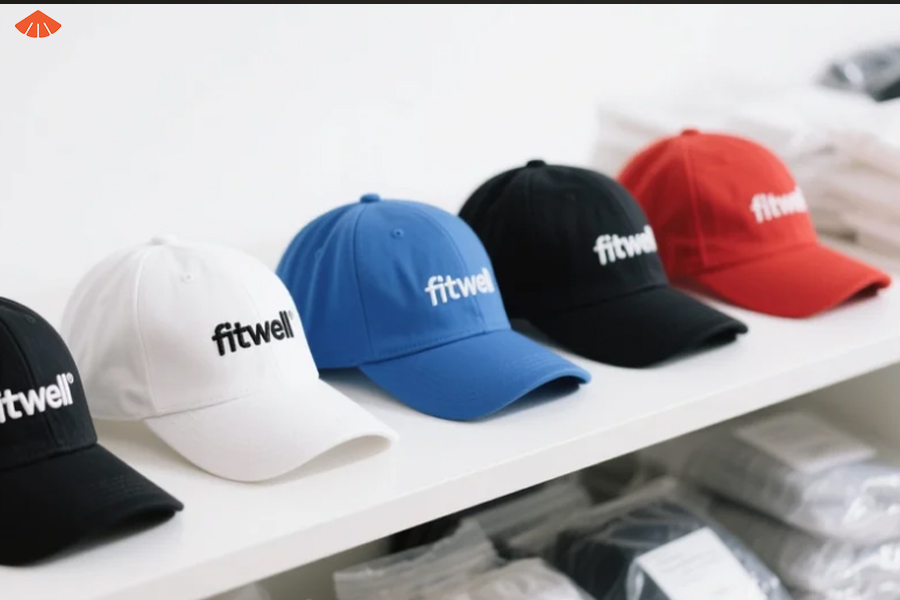
A 3d embroidery cap made with 240gsm cotton twill will have a more premium look and feel than one made with lighter fabrics, justifying a 15-20% higher retail price.
3.2 Customization Options for B2B Bulk Orders
For bulk custom orders, there are several key customization options that impact both cost and perceived value. As of 2026, 85% of custom cap importers offer at least 3 of these options to their clients.
Core customization options for 5 panel caps:
Logo placement: Front panel, side panel, back panel, visor top
Embroidery type: Flat embroidery, 3D puff embroidery, mixed embroidery
Color options: Solid color, two tone, contrast stitching, contrast visor
Structure: Structured, unstructured, semi-structured
Back closure: Snapback, velcro, buckle, strapback
The wholesale contrast visor 5 panel twill baseball cap custom is one of the fastest-growing two-tone styles in 2026, with demand up 32% year-over-year. The contrast visor adds visual interest without requiring full two-tone fabrication, keeping costs lower.
For clients looking for a personalized 3d embroidered 5 panel two tone cap, offering 3-5 standard two-tone color combinations can reduce MOQ by 40% compared to fully custom colors.
4. 2026 Sourcing Guide for B2B Buyers: How to Select the Right Cap Supplier
Choosing the right supplier is just as important as choosing the right fabric. A bad supplier can lead to delayed shipments, quality issues, and lost clients.
4.1 Key Evaluation Criteria for Cap Suppliers
Based on 2026 industry best practices, these are the top factors B2B buyers should evaluate when selecting a custom cap supplier:
Critical evaluation factors:
Fabric quality control: Look for suppliers that pre-test fabrics for shrinkage, color fastness, and weave consistency
Embroidery capability: Ask for sample swatches of 3D embroidery on your chosen fabric
MOQ flexibility: Smaller MOQs (50-100 pcs) are better for testing new designs
Lead time: Standard lead times should be 15-25 days for bulk orders
Compliance: Ensure suppliers meet safety and labor standards for your market
For streetwear boutique owners, working with a supplier that offers low MOQ custom 5 panel hat options lets you test new designs without tying up too much capital in inventory.
For corporate gift importers, prioritize suppliers that offer custom packaging and drop-shipping services to streamline your gifting operations.
4.2 Cost vs. Quality: Finding the Right Balance for Your Business
Price is always a consideration, but choosing the cheapest option often leads to higher long-term costs. In 2026, the average price difference between budget and premium custom caps is 25-35%, but premium caps have 2x higher customer satisfaction rates.
Price breakdown for a standard custom 3d embroidery logo two tone 5panelcotton twill baseball cap(1000 pcs order):
Budget option: $2.80-$3.20 per unit (lighter fabric, basic embroidery, no pre-shrinking)
Mid-range option: $3.50-$4.20 per unit (210gsm pre-shrunk cotton twill, quality 3D embroidery)
Premium option: $4.50-$5.50 per unit (240gsm heavy cotton twill, premium embroidery, custom packaging)
ROI calculation example for a streetwear boutique:
Mid-range cap cost: $3.80 per unit
Retail price: $28.00 per unit
Sell-through rate: 85% (vs. 65% for budget caps)
Net profit per 100 units: $1,887 (vs. $1,330 for budget caps)
For custom cap importers, investing in mid-range or premium quality caps leads to higher repeat order rates and lower return rates, ultimately improving your bottom line.
As we move into 2027, the demand for high-quality, sustainable custom caps will continue to grow. By understanding fabric performance, seasonal matching, and embroidery quality, you can make smarter sourcing decisions that drive business growth.
Interested in custom cap solutions? Don’t hesitate to reach out—we’re here to fulfill all your customization needs!
Follow & Message Us:
Facebook:https://www.facebook.com/fitwell.li
Instagram: www.instagram.com/fitwellcustomhats.dds/
LinkedIn:http://www.linkedin.com/in/fitwellcustom-hats-38a2b9b0/
Pinterest: http://www.pinterest.com/FitwellCustomHatsdds/
YouTube: http://www.youtube.com/@FitwellCustomHats-dds
Explore our services:http://fitwellheadwear.en.alibaba.com
WhatsApp us now: https://psce.pw/86jwa3