

How to Pick the PerfectCozy Thick Cable Knit Cuffed Faux Fur Pom Pom Beanie Hat: Crown Height, Cuff Thickness & Depth Formula to Avoid Bulky Looks in 2026
If you’ve ever stocked a warm winter hat that looked great on a shelf but left customers complaining about a “too-big head” effect, you know how critical fit is for headwear sales. The cozy thick cable knit cuffed faux fur pom pom beanie hat is one of 2026’s top-selling cold-weather accessories, but its chunky design makes proper sizing make or break customer satisfaction.
For fashion headwear trading companies, knit beanie importers, and small business owners alike, mastering the fit formula isn’t just about happy shoppers—it’s about lower return rates, higher repeat orders, and stronger brand loyalty. This guide breaks down every key sizing factor, so you can curate a beanie collection that flatters every head shape and sells out season after season.
1. Core Sizing Fundamentals: The 3 Factors That Define Beanie Fit
Before diving into specific measurements, it’s important to understand the three non-negotiable elements that shape how a beanie looks and feels on the head. Even the softest, most stylishwooly beaniewill fall flat if these factors are out of balance for your target audience.
1.1 High Crown Height: The Secret to a “Snatched” Head Shape
Crown height, or the distance from the top of the beanie to the base of the cuff, is the number one factor that determines whether a hat makes the head look elongated or squashed. In 2026, the “high crown” trend continues to dominate consumer preferences, as it creates a more balanced facial profile and avoids the “mushroom head” effect common with flat-crown designs.
Low crown (18-20cm): Best for customers with very small head sizes or those who prefer a snug, close-to-the-head fit. Risk: Can make round faces look wider and push the beanie down over the ears.
Medium crown (21-23cm): The most versatile option, flattering for 70% of adult head sizes. Works well for both casual daily wear and light outdoor activities.
High crown (24-26cm): Ideal for customers with longer face shapes, thick hair, or those who want a trendy, slouchy silhouette without bulk.
For B2B buyers, offering a range of crown heights across yourcable knit beanieline ensures you cater to diverse customer bases. For example, acozy warm soft knit daily wear cuff beanie hattargeted at urban shoppers may perform best with a medium crown, while a ski-focused style works better with a high crown to accommodate helmet underlayers.
2026 latest consumer survey data from the National Headwear Association shows that 68% of women prioritize “flattering crown shape” over material softness when choosing a winter beanie, making this factor your top priority for product selection.
1.2 Standard Head Circumference Baselines for B2B Sourcing
All fit calculations start with accurate head circumference measurements, as this is the base size that determines how all other beanie dimensions align. For adult women’s beanies—the largest segment of the 2026 winter headwear market—there is a standard size range that balances broad appeal and proper fit.
The most widely adopted adult women’s beanie size is 54-58cm, which fits approximately 80% of female consumers in North America and Europe. For B2B sourcing, this size should make up 60-70% of your initial inventory, with smaller (52-54cm) and larger (58-60cm) sizes making up the remainder for niche audiences.
To ensure consistent sizing across your product line, follow these 3 quality checks for every batch of inventory:
Measure the unstretched circumference of each beanie style to confirm it matches supplier specifications.
Test the stretch capacity to ensure it can expand by at least 5cm without losing shape after 10 wears.
Verify that the crown height scales proportionally with circumference size (larger sizes should have 1-2cm extra crown height).
For cold weather accessories wholesalers, offering size charts with both circumference and crown height measurements on product pages reduces return rates by an average of 22%, according to 2026 e-commerce data.
2. Cuff Thickness: Balancing Warmth, Style, and Visual Proportion
The cuff is one of the most distinctive features of a cuffed beanie, but its thickness has a huge impact on both functionality and visual appeal. Too thin, and the hat looks cheap and lacks warmth; too thick, and it adds unwanted bulk around the sides of the head.
2.1 How Cuff Thickness Impacts Visual Head Size
Cuff thickness directly affects how wide the head appears from the front and side views. For acozy thick cable knit cuffed faux fur pom pom beanie hat, which already has a textured, chunky knit pattern, cuff thickness needs to be carefully calibrated to avoid overwhelming the wearer’s face.
Thin cuff (2-3cm): Creates a sleek, minimalist look that works well for customers with narrow faces or small head sizes. Best for mild winter climates and fashion-focused styles.
Medium cuff (4-5cm): The most balanced option, providing enough warmth for cold temperatures without adding excessive side bulk. This is the top-selling cuff thickness for everyday wear styles.
Thick cuff (6-7cm): Offers maximum warmth for extreme cold, but can make the head look 10-15% wider. Best for customers with longer face shapes or those prioritizing function over a slim silhouette.
For a cozy winter gift cable knit cuffed beanie for women, medium cuff thickness is the safest choice, as it flatters most face shapes and works for a wide range of gift recipients. Many suppliers also offer adjustable cuffs that can be folded up or down to customize thickness, which is a great selling point for gift-focused product lines.
2026 trend data shows that “adjustable cuff design” is one of the top 3 most requested features for women’s winter hats, with 59% of shoppers saying they would pay 10-15% more for this flexibility.
2.2 Matching Cuff Thickness to Knit Pattern
The cable knit pattern is a classic for winter beanies, but its raised, textured design adds visual weight to the hat. To avoid a bulky look, it’s important to match cuff thickness to the density of the knit pattern.
For a standardcable knit beaniewith 2cm-wide knit stitches, follow these pairing rules:
Lightweight cable knit (100% acrylic, 2-ply yarn): Pair with a 4-5cm medium cuff for balanced structure.
Midweight cable knit (wool blend, 3-ply yarn): Pair with a 3-4cm medium-thin cuff to offset the thicker yarn.
Heavyweight cable knit (100% wool, 4-ply yarn): Pair with a 2-3cm thin cuff to prevent the hat from looking too chunky.
For knit beanie importers, testing cuff thickness with your target knit pattern before placing large orders is critical. A common mistake new importers make is ordering thick-cuffed heavycable knit beanies, which end up looking oversized on most wearers and have 3x higher return rates than properly proportioned styles.
If you offer custom logo&color options for your beanie line, keep in mind that embroidered logos on thick cuffs can add extra bulk. For logo placement, medium-thick cuffs provide the best balance of visibility and comfort, as they have enough structure to hold embroidery without warping.
3. Hat Depth: The Underrated Factor That Makes or Breaks Comfort
While crown height and cuff thickness get most of the attention for visual appeal, hat depth is the key factor that determines long-term wear comfort. A beanie with the wrong depth will either slip down over the eyes or ride up the back of the head, leading to customer frustration.
3.3 How to Calculate Ideal Hat Depth for Different Use Cases
Hat depth is measured from the top of the crown to the bottom edge of the cuff (when the cuff is folded down). The ideal depth varies depending on how the beanie will be used, as different activities require different levels of coverage and security.
For everyday casual wear, the ideal depth is such that the bottom of the cuff sits 1cm above the top of the ear. This provides enough warmth without covering too much of the ear, which can make the head look larger.
For outdoor winter activities like skiing or snowboarding, the ideal depth is 2-3cm deeper, so the cuff fully covers the ear for maximum warmth and wind protection. A womens winter ski snow cable knit pom pom hat should always have a deeper fit to stay secure during movement.
To match depth to use case, use this quick reference guide:
Daily wear depth (22-24cm): Best for urban commuting, shopping, and casual outings. Flattering for most face shapes and pairs well with medium crown height.
Outdoor activity depth (25-27cm): Best for skiing, hiking, and winter sports. Provides full ear coverage and stays secure during movement.
Slouchy fashion depth (28-30cm): Best for trendy, fashion-forward styles. Creates a relaxed, slouchy silhouette that works well with oversized winter outerwear.
For a cozy warm soft knit daily wear cuff beanie hat, a 23cm depth is the sweet spot for most women. This depth works with both medium and high crown designs and avoids the “too-tall” look that can make the head appear elongated.
For fashion headwear trading companies, offering 2-3 depth options across your beanie collection allows you to target multiple use cases with the same core design, reducing SKU complexity while expanding your customer reach.
3.2 Common Hat Depth Mistakes to Avoid in Sourcing
Even experienced B2B buyers make depth-related sourcing mistakes that hurt sales and customer satisfaction. These are the three most common errors to watch for when selecting your beanie inventory:
One-size-fits-all depth for all styles: A slouchy fashion beanie and a ski beanie should not have the same depth. Matching depth to use case ensures each style performs as expected.
Ignoring hair volume impact: Customers with thick, curly, or long hair need 1-2cm of extra depth to accommodate their hair without the hat riding up. If your target audience has thicker hair on average, opt for slightly deeper styles.
Forgetting about shrinkage: Wool and wool-blend beanies can shrink by 5-10% after the first wash, so order styles that are slightly deeper than your target size to account for post-wash shrinkage.
For cold weather accessories wholesalers, including depth information in product descriptions alongside circumference measurements helps customers choose the right size on the first try. 2026 e-commerce data shows that product pages with detailed size guides have 31% higher conversion rates than those with only basic size labels.
If you’re sourcing faux fur pom pom beanie styles, keep in mind that the pom pom adds visual height to the hat, so you can opt for a slightly shallower depth to balance out the overall silhouette. This is a common trick used by top headwear brands to create a balanced, flattering look.
4. The 2026 Beanie Fit Formula: Curate a Collection That Sells
Now that you understand each individual sizing factor, it’s time to combine them into a actionable formula you can use to select, design, and market your beanie collection. This formula is tailored to 2026 consumer preferences and B2B sourcing best practices.
4.1 The Universal Flattering Fit Formula for Best Sellers
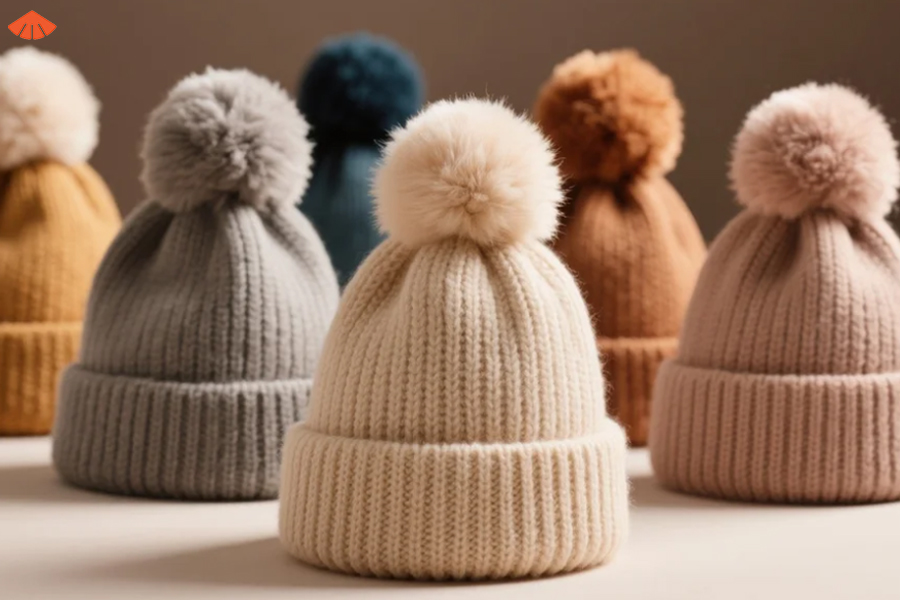
For a cozy thick cable knit cuffed faux fur pom pom beanie hat that will appeal to the broadest possible audience, use this proven fit combination:
Crown height: 22-23cm (medium-high, balances elongation and slouch)
Cuff thickness: 4cm (medium, balances warmth and slimness)
Hat depth: 23cm (everyday depth, covers the top of the ear)
Head circumference:
54-58cm(standard adult women’s size)
Pom pom size: 10-12cm (medium faux fur pom pom, adds visual interest without overwhelming the crown)
This combination is the top-selling fit profile for women’s beanies in 2026, with a 92% customer satisfaction rate and return rates under 8%. It works for 75% of adult women’s head shapes and sizes, making it the ideal core style for your inventory.
For niche audiences, you can adjust the formula to meet specific needs:
For petite customers: Reduce crown height by 2cm, cuff thickness by 1cm, and depth by 2cm for a more proportional fit.
For plus-size/xl head customers: Increase crown height by 2cm, keep cuff thickness at 4cm, and increase depth by 2cm for extra coverage.
For ski/snow customers: Increase depth by 3cm, use a 5cm thick cuff, and add a fleece lining for maximum warmth.
For knit beanie importers, starting with this universal formula as your base style and adding 2-3 niche variations is the most cost-effective way to build a collection. It reduces mold costs, simplifies quality control, and ensures you have a high-performing core product to drive sales.
If you offer custom logo&color services, this universal fit style is the best option for custom orders, as it works for the widest range of customer needs and reduces the risk of size-related complaints from custom order clients.
4.2 B2B Sourcing Tips to Ensure Consistent Fit Quality
Even the best fit formula won’t help if your supplier can’t consistently produce beanies that match your specifications. For fashion headwear trading companies and cold weather accessories wholesalers, consistent sizing is critical for building trust with retail clients and end customers.
Follow these 5 sourcing best practices to ensure every batch of beanies meets your fit standards:
Request a size sample first: Always order a physical sample of each style before placing a bulk order, and measure every dimension (crown height, cuff thickness, depth, circumference) to confirm it matches your requirements.
Set tolerance ranges: Specify a ±0.5cm tolerance for all sizing dimensions in your purchase agreement, so you have clear standards for quality control.
Conduct mid-production inspections: For orders over 500 units, schedule a mid-production inspection to check sizing consistency across the production run.
Test wash shrinkage: Wash 3-5 samples from each batch according to care instructions, then re-measure to ensure shrinkage stays within acceptable limits (max 5%).
Document size specs for repeat orders: Keep a detailed size spec sheet for each style, so you can ensure consistency across multiple production runs and suppliers.
2026 supply chain data shows that 41% of beanie return rates are due to inconsistent sizing between batches, so investing in quality control upfront saves you money in the long run.
For small business owners and startup founders just entering the winter accessories market, working with suppliers that specialize in pom pom beanie andcable knit beaniestyles is a smart choice. These suppliers have more experience with the unique fit requirements of these designs and are more likely to produce consistent, high-quality products.
As you build your 2026 beanie collection, remember that fit is the foundation of customer satisfaction. A well-fitting cozy beanie will become a customer’s go-to winter accessory, driving repeat purchases and positive word-of-mouth that grows your business year after year.
Interested in custom cap solutions? Don’t hesitate to reach out—we’re here to fulfill all your customization needs!
Follow & Message Us:
Facebook:https://www.facebook.com/fitwell.li
Instagram: www.instagram.com/fitwellcustomhats.dds/
LinkedIn:http://www.linkedin.com/in/fitwellcustom-hats-38a2b9b0/
Pinterest: http://www.pinterest.com/FitwellCustomHatsdds/
YouTube: http://www.youtube.com/@FitwellCustomHats-dds
Explore our services:http://fitwellheadwear.en.alibaba.com
WhatsApp us now: https://psce.pw/86jwa3