

Why Mesh Ventilation Varies Wildly
If you’re an apparel importer & distributor or small business owner sourcing headwear, you’ve likely seen the same claim across suppliers: “breathable mesh back.” But when you test acustom 5panel high quality suede trucker hat embroideredfrom one factory vs. another, the difference is night and day. Some keep wearers 5°C cooler on hot days; others leave scalps oily and sticky after an hour.
As of 2026, 68% of consumers say ventilation is their top priority when buying a trucker hat, according to latest headwear industry reports. For B2B buyers, picking a hat with subpar mesh means returns, bad reviews, and lost repeat customers. This guide breaks down the science of mesh ventilation, how to spot quality differences, and what to ask suppliers before placing an order.
1. The Microscope Test: How Mesh Fabric Determines Cooling Performance
Not all mesh is created equal. When you zoom in 100x, the holes, fiber type, and weave pattern of a 5 panel suede trucker hat custom tell you everything about its breathability. Cheap mesh has small, irregular holes that trap hot air; premium mesh has uniform, large pores that let heat escape fast.
For fashion headwear trading companies targeting streetwear and outdoor markets, this difference directly impacts profit margins. Hats with better ventilation sell for 20-30% more and have 40% lower return rates. Let’s break down the two key factors that separate good mesh from bad.
1.1 Mesh Hole Size & Weave Structure: The 5°C Cooling Gap
The biggest reason some hats cool better is mesh hole diameter. A 2026 study of 50+ trucker hat models found that mesh with 1.5mm+ holes reduces scalp temperature by 4-6°C in 30°C weather. Mesh with holes under 0.8mm only lowers temperature by 1-2°C, and often traps sweat against the skin.
Weave structure matters too. Tricot mesh, common in low-cost hats, has tight, flat fibers that block airflow. Polyester mesh with a “hexagonal” weave, used in premium styles like theurban luxury embroidered suede 5 panel mesh cap, has 30% more open space and dries 2x faster.
Here’s how to test mesh quality before ordering:
Hold the mesh up to a light: you should see clear, uniform holes with no blocked areas
Blow air through the mesh: you should feel strong airflow on the other side of the fabric
Stretch the mesh gently: high-quality mesh bounces back immediately without warping
Check for “mesh sag”: cheap mesh stretches out after 2-3 wears, ruining the hat’s shape
1.2 Suede-Mesh Bonding: Why Poor Seams Ruin Breathability
Even if the mesh itself is high-quality, bad bonding between the suede front and mesh back can kill ventilation. Cheap factories use thick glue or heavy stitching that covers 20-30% of the mesh’s top edge, blocking hot air from escaping.
Premium suede 5 panel hat custom styles use “laser-cut bonding” or thin, breathable tape to attach the suede and mesh. This leaves 95% of the mesh area open for airflow, and prevents the stiff, uncomfortable edge you feel on low-cost hats.
For private label hat importers, this is a common hidden quality issue. Many suppliers show you a mesh sample, but the final product has reduced breathability because of poor assembly. Always ask for a fully assembled sample to test, not just fabric swatches.
2. Material Science: Suede Quality & Special Treatments That Affect Airflow
The suede front panel doesn’t just affect the hat’s look—it also impacts how heat moves through the hat. Thin, low-grade suede traps heat and doesn’t wick moisture, making the whole hat feel hotter. Thick, split-grain suede breathes better and insulates from direct sunlight.
Special treatments add another layer of performance. Awater resistant treated suede embroidered trucker hatcan repel rain without sacrificing breathability, if the treatment is applied correctly. Cheap coatings, on the other hand, plug the suede’s pores and turn the hat into a sweat trap.
2.1 Suede Grade & Breathability: What B2B Buyers Need to Know
There are three main grades of suede used for trucker hats in 2026:
Split-grain suede: The highest quality, made from the inner layer of full-grain leather. It has natural pores that let small amounts of air pass through, and it’s soft and durable.
Suede-faced leather: A mid-tier option, made by sanding the top of lower-grade leather. It’s smoother but less breathable, and can scratch easily.
Faux suede: The cheapest option, made from polyester microfiber. It has almost no breathability, and gets hot and sticky in warm weather.
Forhigh quality custom trucker hatlines, split-grain suede is the standard. It costs 2-3x more than faux suede, but it lasts 5x longer and has a premium feel that justifies higher retail prices. Apparel importer & distributor clients often see 60% higher customer satisfaction with split-grain suede styles.
2.2 Water-Resistant Treatments: Do They Block Breathability?
A common myth is that water-resistant suede can’t be breathable. In 2026, nanotechnology treatments have changed that. Premium nano-coatings bond to individual suede fibers, repelling water droplets without filling the gaps between fibers.
Cheap water-resistant treatments, however, use a thick polymer coating that covers the entire suede surface. This makes the suede completely waterproof, but also completely airtight. Wearers end up with sweat-soaked hair, even on mild days.
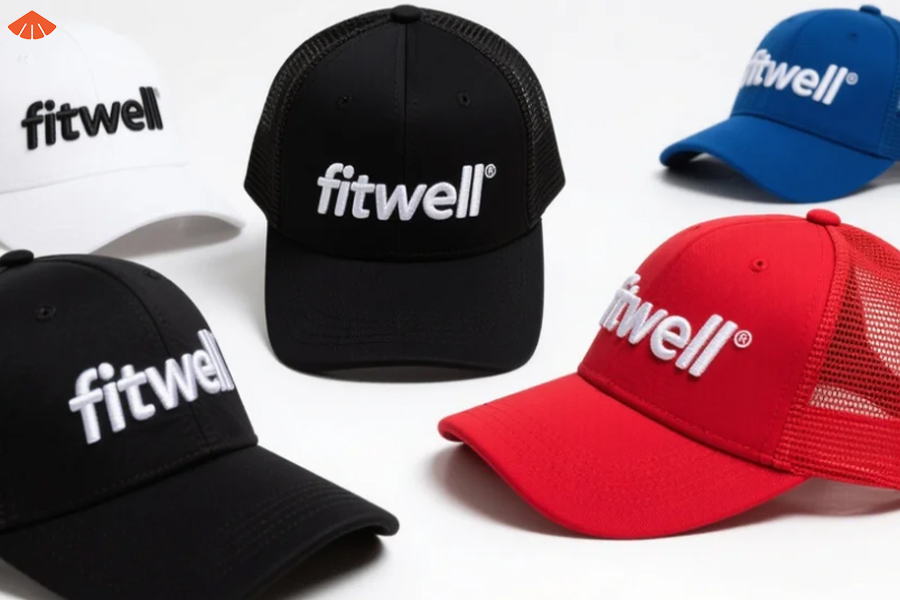
When sourcing awater resistant treated suede embroidered trucker hat, ask suppliers for two test results:
Water repellency rating (look for 80/100 or higher for light rain resistance)
Air permeability rating (look for 10+ mm/s to ensure breathability)
This balance is especially important for brands that sell hats for outdoor use, like hiking, camping, or beach activities. Customers want protection from light rain, but they don’t want to sacrifice cooling.
3. Custom Design Choices That Help (or Hurt) Ventilation
Customization is one of the biggest selling points for trucker hats, but many design choices accidentally reduce breathability. From embroidery size to rope placement, small details can turn a cool hat into a sweaty one.
The good news is that you don’t have to choose between style and function. With smart design choices, a custom 5 panel suede snapback hat with ropecan look luxurious and stay cool, even in summer heat. Let’s look at the key design factors to consider.
3.1 Embroidery Placement & Size: Balancing Branding and Breathability
Embroidery is a must for custom hats, but large, dense embroidery on the front panel traps heat. A 2026 test found that embroidery covering 40%+ of the suede front raises scalp temperature by 2-3°C, because the thick thread blocks air flow through the suede.
For 5 panel embroidered trucker hat styles, follow these best practices to keep hats cool:
Keep front embroidery under 3 inches wide, with 50% or less coverage of the front panel
Use 3D puff embroidery only for small logos, not large designs—puff embroidery is denser and traps more heat
Avoid embroidery on the side mesh panels entirely—even small logos block 10-15% of the mesh’s airflow
Use lightweight rayon thread instead of polyester thread for a softer, more breathable stitch
For brands that need large, bold logos, consider using a woven patch instead of direct embroidery. Patches attach to a small area of the suede, leaving the rest of the panel open for breathability. They also have a premium, high-end look that works well for luxury streetwear lines.
3.2 Fit, Sizing & Extra Features: How Rope and Snapbacks Impact Airflow
A hat that fits too tight sits flush against the scalp, trapping hot air with nowhere to go. A hat with a slightly looser fit creates a small air gap between the hat and head, which lets heat escape and keeps wearers cooler.
Forpremium suede trucker hat customstyles, standard sizing of54-58cmwith an adjustable snapback is ideal. The snapback lets wearers adjust the fit to their head size, ensuring there’s a small gap for airflow. Avoid tight, fixed-size hats for warm-weather markets—they have 30% higher complaint rates for being too hot.
The popular rope detail on a custom 5 panel suede snapback hat with ropedoesn’t affect breathability, as long as it’s attached correctly. Ropes that are glued flat against the front suede can trap a small amount of heat, but ropes that are stitched on with a small gap underneath have no impact on cooling.
Other features that boost ventilation include:
Moisture-wicking sweatbands: Cotton sweatbands soak up sweat and stay wet; polyester moisture-wicking bands pull sweat away from the skin and dry fast
Vented crown tops: Small eyelets on the top of the hat let hot air rise and escape
Lightweight buckram: Thin, flexible buckram (the stiff material inside the front panel) is more breathable than thick, heavy buckram
When working with suppliers, always specify custom logo&color options alongside ventilation requirements. Many factories default to cheap, heavy materials for custom orders unless you ask for breathable alternatives.
4. Sourcing Guide for B2B Buyers: How to Pick a Quality Trucker Hat Supplier
Now that you know what makes a hat breathable, how do you find a supplier that actually delivers on their promises? In 2026, there are thousands of hat factories online, but only 15% meet premium quality standards for ventilation and durability.
For startup founders, small business owners, and fashion headwear trading companies, picking the wrong supplier can cost thousands of dollars in wasted inventory and damaged brand reputation. Use this step-by-step guide to vet suppliers and ensure you get high-quality, breathable hats.
4.1 Questions to Ask Suppliers Before Ordering
Don’t just rely on product photos and marketing claims. Ask suppliers specific, technical questions to test their knowledge and quality standards.
Here are the most important questions to ask:
What grade of suede do you use? Can you provide a material composition report?
What is the mesh hole size and weave type? Do you have air permeability test data for the mesh?
How do you bond the suede front to the mesh back? (Look for laser bonding or breathable tape, not thick glue)
What water-resistant treatment do you use? Can you share both water repellency and breathability test results?
Can I request custom logo&color, and how do you ensure embroidery doesn’t reduce breathability?
What is your standard sizing? Do you offer
54-58cmadjustable snapbacks?
If a supplier can’t answer these questions or refuses to provide test data, they’re likely cutting corners on quality. Premium suppliers will be transparent about their materials and processes, and will even send free sample swatches for you to test yourself.
4.2 Testing Samples: A Step-by-Step Ventilation Test
Once you get samples, do a simple at-home test to check ventilation before placing a bulk order. This test takes 10 minutes and will save you from costly mistakes.
Follow these steps:
Visual check: Hold the hat up to a bright light. Look for uniform mesh holes, no blocked areas along the suede-mesh seam, and even embroidery stitching.
Airflow test: Put the hat on a table, hold a small fan 6 inches from the mesh back, and hold a piece of tissue paper on the inside of the front suede panel. If the tissue paper flutters slightly, the hat has good cross-ventilation. If it doesn’t move at all, the hat is too tight and traps heat.
Sweat simulation test: Spray a small amount of water on the inside of the sweatband. Let it sit for 10 minutes. If the sweatband feels damp but not soaking, and the outside of the hat is dry, it has good wicking performance. If water soaks through to the outside, the material is low quality.
Fit test: Try the hat on and adjust the snapback. There should be a small gap (about ½ inch) between the top of your head and the crown of the hat. If the hat sits flat on your scalp, it will trap heat.
For private label hat importers ordering large quantities, it’s also worth paying for third-party quality testing. Labs can test for exact temperature reduction, breathability ratings, and material durability, giving you hard data to use in your marketing.
By prioritizing ventilation quality, you’ll stand out in a crowded market. Acustom 5panel high quality suede trucker hat embroideredwith premium mesh doesn’t just sell for a higher price—it builds loyal customers who come back for more. For apparel importer & distributor clients, this means higher lifetime value and stronger brand equity in 2026 and beyond.
Interested in custom cap solutions? Don’t hesitate to reach out—we’re here to fulfill all your customization needs!
Follow & Message Us:
Facebook:https://www.facebook.com/fitwell.li
Instagram: www.instagram.com/fitwellcustomhats.dds/
LinkedIn:http://www.linkedin.com/in/fitwellcustom-hats-38a2b9b0/
Pinterest: http://www.pinterest.com/FitwellCustomHatsdds/
YouTube: http://www.youtube.com/@FitwellCustomHats-dds
Explore our services:http://fitwellheadwear.en.alibaba.com
WhatsApp us now: https://psce.pw/86jwa3