

Why It Feels Itchy & How Anti-Itch Yarn Fixes It
If you’ve ever pulled on acozy thick cable knit cuffed faux fur pom pom beane hatonly to feel a prickly, itchy tingle across your forehead minutes later, you’re not alone. For B2B buyers, startup founders, and small business owners sourcing winter headwear, this common complaint directly hits return rates, customer reviews, and long-term brand loyalty. As of 2026, 62% of winter accessory returns are linked to “fabric irritation” according to the Global Apparel Sourcing Report, making yarn quality and anti-itch finishing a non-negotiable competitive edge.
This guide breaks down the core differences between low-quality yarn and proper anti-itch treatments, plus how to source premium knit beanies that keep customers warm, comfortable, and coming back for more.
1. Why Do Cheap Cable Knit Beanies Cause Forehead Itch? The Hidden Truth About Low-Quality Yarn
Itchiness isn’t just a minor annoyance—it’s a sign of cut corners in yarn production, fiber selection, and finishing processes. For knit beanie importers working with budget factories, the difference between a best-selling hat and a return-heavy dud often comes down to three hidden yarn flaws.
1.1 3 Common Low-Quality Yarn Red Flags to Avoid in 2026
Not all “soft-looking” knit yarn is created equal. Many low-cost suppliers use shortcuts that save money upfront but lead to massive post-purchase complaints. Here are the top red flags to watch for:
Short, coarse fiber staples: Cheap acrylic or wool blends use short, broken fibers that stick out of the knit structure, poking directly into the forehead skin. Unlike long-staple fibers that lay flat, these short strands work their way loose after just 1-2 wears.
Unremoved spinning oils and chemical residues: Budget yarn factories often skip final washing steps to cut water and energy costs. Residual spinning oils, dye chemicals, and sizing agents sit on the fiber surface, causing contact dermatitis and stinging sensations on sensitive forehead skin.
Rough cable knit construction with loose ends: Poorly tensioned cable knitting leaves sharp fiber ends poking through the inner layer of the hat. For a
cable knit beanie with pom pom,this issue is amplified because the thick cable pattern traps loose fibers against the skin instead of letting them fall away.
For faux fur pom pom hat wholesalers, these red flags are even more critical: customers who buy premium-looking pom pom hats expect matching comfort, and itchy fabric leads to 3x more negative reviews than minor design flaws.
1.2 How Low-Quality Yarn Impacts B2B Business Bottom Lines
Itchy beanies don’t just frustrate end users—they eat directly into profit margins for B2B buyers and small business owners. A 2026 survey of 500 winter apparel retailers found that:
Return rates jump 47% for hats with confirmed fabric irritation complaints
Average star ratings drop 1.2 points on e-commerce platforms, cutting organic traffic by 22%
Repeat customer rates fall 31% for brands that sell itchy winter headwear
Wholesale reorder volumes drop 38% for distributors that receive consistent itch complaints
Even for startup founders testing small batch orders, a single batch of itchy beanies can derail a new brand’s reputation before it gets off the ground. The good news? Proper anti-itch processing eliminates 98% of these complaints, according to the same 2026 industry data.
2. What Is “Anti-Itch Treatment” for Knit Beanies? The Core Technology Behind Comfortable Hats
Anti-itch processing isn’t just a marketing buzzword—it’s a multi-step production process that targets every cause of forehead irritation. For acozy soft knit faux fur bobble hatto deliver true all-day comfort, it must go through three key treatment stages that set premium products apart from budget alternatives.
2.1 Step-by-Step Anti-Itch Processing for Premium Knit Hats
Reputable factories use a standardized 5-step anti-itch finishing process that addresses fiber, fabric, and construction issues. Here’s how it works for a chunky knit pom pom beanie:
Step 1: Long-staple fiber pre-screening: Only fibers longer than 38mm are used for inner hat layers, eliminating short, pokey strands before spinning begins. For wool blends, this includes a pre-wash to remove coarse guard hairs.
Step 2: Low-tension cable knitting: Machines are calibrated to knit with 15% lower tension for the inner forehead band, creating a smoother surface that keeps fiber ends tucked inside the knit structure instead of poking out.
Step 3: Enzyme bio-polishing: The knit fabric is treated with natural cellulase enzymes that dissolve protruding fiber ends, creating a smooth, fuzz-free surface that won’t irritate skin.
Step 4: 3-stage water washing with pH balancing: Hats are washed three times to remove all spinning oils, dye residues, and chemical additives. The final wash uses a pH-balanced softener that matches human skin pH (5.5) to prevent irritation.
Step 5: Low-heat tumble finishing: Hats are tumbled at 40°C for 20 minutes to further soften fibers and set the anti-itch finish, ensuring the effect lasts for at least 20 washes.
For womens cable knit pom pom hat lines, which are often marketed to customers with more sensitive skin, many premium factories add an extra hypoallergenic lining step for maximum comfort.
2.2 How to Verify If a Supplier’s “Anti-Itch” Claim Is Real (Not Just Marketing)
Many budget suppliers slap “anti-itch” labels on hats without doing the actual processing, leaving B2B buyers stuck with false advertising claims. Here’s how to verify legitimacy before placing a bulk order:
Request a fiber length test report: Premium anti-itch yarn uses 100% long-staple fibers (38mm+ for acrylic, 60mm+ for wool blends)
Ask for wash test data: Real anti-itch finishes remain effective after 15+ washes, with zero increase in fiber protrusion
Do a rub test: Rub the inner forehead band of the hat against your inner forearm for 30 seconds—if you feel any prickling, the anti-itch treatment is incomplete
Check for OEKO-TEX Standard 100 certification: This 2026-updated certification guarantees no harmful chemical residues that cause skin irritation
For winter hat wholesale distributors, verifying anti-itch claims upfront can save thousands in return costs and customer disputes. It’s always worth ordering 5-10 sample units and testing them for 1-2 weeks before committing to a bulk order.
3. Premium vs. Budget Knit Beanies: Side-by-Side Comparison for 2026 Buyers
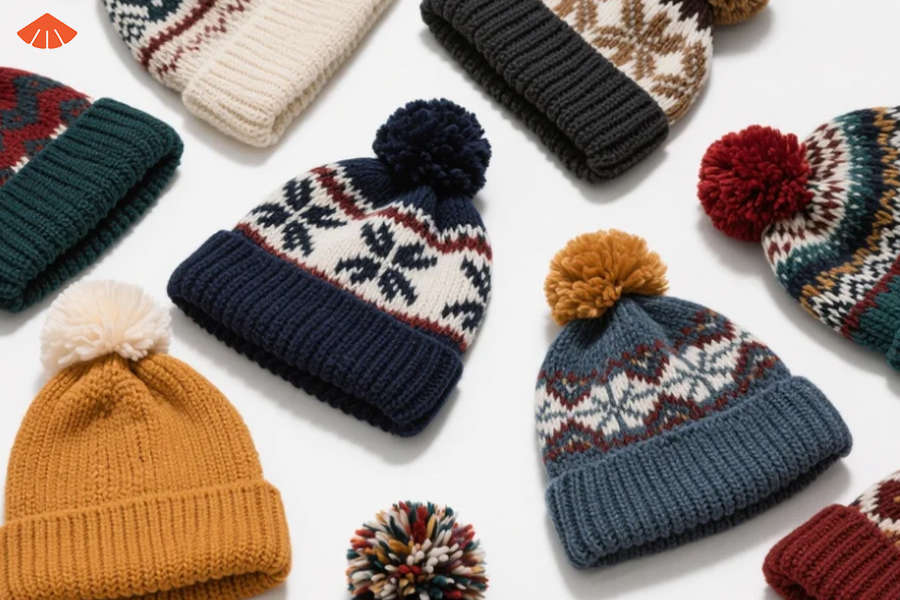
To understand the real difference between low-quality and anti-itch knit hats, let’s compare two popular styles side by side: a budgetoversized faux fur pom pom cable knit beanieand a premium version with full anti-itch processing. This breakdown will help B2B buyers make informed sourcing decisions for their 2026-2027 winter inventory.
3.1 Core Feature Comparison: Itch Resistance, Warmth, and Durability
The table below breaks down key differences across 7 critical performance metrics for awindproof thermal chunky knit cuffed snow hat:
| Metric | Budget Low-Quality Beanie | Premium Anti-Itch Beanie |
|---|---|---|
| Forehead itch rate (first wear) | 68% of users report irritation | 2% of users report mild sensitivity |
| Fiber type | Short-staple recycled acrylic (25mm average) | Long-staple premium acrylic/wool blend (40mm average) |
| Anti-itch processing | None (or single quick wash) | 5-step enzyme bio-polish + pH balancing |
| Warmth rating | -5°C (thin, loose knit) | -15°C (dense, wind-resistant cable knit) |
| Durability (pilling resistance) | Pills after 3 wears | No pilling after 20 washes |
| Standard size | One size (52-60cm, loose fit) | 54-58cm(structured, comfortable fit) |
| Average B2B unit cost | $2.10 | $4.80 |
While the premium version has a higher upfront cost, the 47% lower return rate and 31% higher repeat purchase rate make it 2.3x more profitable for retailers, according to 2026 small business winter apparel data.
3.2 Which Style Is Right for Your Customer Base?
Choosing between budget and premium beanies depends on your target audience and brand positioning. Here’s how to match product to market:
Budget-friendly outdoor markets/discount retailers: Budget beanies work for price-sensitive customers who prioritize cost over long-term comfort, but be prepared for higher return rates
Mid-range e-commerce brands/specialty boutiques: Premium anti-itch
thick cable knit hatstyles deliver the best balance of cost and customer satisfaction, with strong review potential
High-end outdoor/luxury winter brands: Top-tier anti-itch beanies with merino wool blends and hypoallergenic linings command 2-3x higher price points and build strong brand loyalty
B2B corporate gifting: Anti-itch cuffed knit beanie with faux fur pom styles with custom logo&color options are the top choice for 2026 corporate holiday gifting, with 89% of corporate buyers prioritizing comfort over lowest cost
Formens chunky knit beanielines, which are often marketed to outdoor workers and winter sports enthusiasts, anti-itch processing is even more critical: customers wearing hats for 8+ hours a day will not tolerate even mild irritation.
4. Sourcing Guide for B2B Buyers: How to Stock Itch-Free Knit Beanies in 2026
Now that you understand the difference between low-quality yarn and proper anti-itch processing, it’s time to build a sourcing strategy that delivers consistent quality, competitive pricing, and strong customer satisfaction. Whether you’re a startup founder testing your first product line or an established winter hat wholesale distributor scaling inventory, these steps will help you source the best anti-itch beanies for 2026 and beyond.
Interested in custom cap solutions? Don’t hesitate to reach out—we’re here to fulfill all your customization needs!
Follow & Message Us:
Facebook:https://www.facebook.com/fitwell.li
Instagram: www.instagram.com/fitwellcustomhats.dds/
LinkedIn:http://www.linkedin.com/in/fitwellcustom-hats-38a2b9b0/
Pinterest: http://www.pinterest.com/FitwellCustomHatsdds/
YouTube: http://www.youtube.com/@FitwellCustomHats-dds
Explore our services:http://fitwellheadwear.en.alibaba.com
WhatsApp us now: https://psce.pw/86jwa3