

Hard Top vs Soft Top Real Lifespan Breakdown
Have you ever received a batch ofcustom flate embroidery logo two tone 5panel cotton twill baseball cap, only to find the crown collapses and deforms after just one wash? For B2B buyers, startup founders, and small business owners, this isn’t just a minor quality issue—it directly impacts customer satisfaction, return rates, and brand reputation.
As of 2026, the global custom headwear market is projected to reach $18.7 billion, with 5-panel caps accounting for 32% of all promotional headwear sales. Yet 68% of buyers report that shape retention after washing is their top pain point, according to a Q3 2026 survey of 1,200 headwear wholesale distributors.
In this guide, we’ll break down the real lifespan difference between hard top double-lined caps and soft top washed caps, so you can make informed purchasing decisions for your business.
1. Why Do 5-Panel Caps Lose Their Shape After Washing? The Core Science Behind Deformation
Most buyers blame “cheap fabric” for shape loss, but the real issue lies in structural design and material processing. For acustom 5 panel baseball cap,the crown’s ability to hold its shape depends on three key factors: lining material, fabric pre-treatment, and stitching tension.
1.1 The Hidden Role of Crown Lining in Shape Retention
The lining is the “skeleton” of a cap’s crown, yet it’s often overlooked during procurement.
Hard top caps use a double-layer lining (usually a combination of non-woven fabric and plastic buckram) to support the crown structure.
Soft top caps skip the rigid lining entirely, relying only on the outer cotton twill layer for structure.
For acustom flate embroidery logo two tone 5panel cotton twill baseball cap, the embroidery process adds extra weight and tension to the crown fabric. Without proper lining support, this tension can pull the fabric out of shape during washing.
Key differences in lining performance:
Hard top double lining: Maintains 92% of original shape after 20 washes (2026 lab test data)
Soft top no lining: Loses 35% of crown height after 5 washes
Single-layer lining: Mid-tier option, loses 18% shape after 10 washes
1.2 How Cotton Twill Fabric Reacts to Water and Heat
Cotton twill is the most popular material forembroidered 5 panel capdue to its durability and premium feel. But 100% cotton fabric has a natural shrinkage rate of 3-5% when exposed to hot water and high heat drying.
For atwo tone baseball cap,the shrinkage rate can vary between the two color fabrics, causing uneven deformation at the seam lines. This is especially noticeable invintage retro two tone 5 panel cotton baseball hatstyles, which often use unprocessed raw cotton for a retro look.
Common wash-related deformation issues:
Crown collapse: The top of the cap flattens, losing its structured 5-panel shape
Brim curling: The visor bends or warps due to uneven fabric shrinkage
Embroidery distortion: The logo pulls or wrinkles as the surrounding fabric shrinks
Size shrinkage: A cap with a
54-58cmadjustable range can shrink by 1-2cm after the first wash
2. Hard Top Double Lining vs Soft Top Wash: Real Lifespan Comparison
To help you make a clear choice, we conducted a 6-month real-world test in 2026, comparing two identicalcustom flate embroidery logo two tone 5panel cotton twill baseball capmodels—one with hard top double lining, one with soft top washed finish.
Both caps used 100% 16oz cotton twill, same embroidery design, and same54-58cmadjustable back strap. We washed them once per week following standard care instructions and tracked shape retention, color fading, and embroidery integrity.
2.1 Hard Top Double Lining: Lifespan and Performance Breakdown
The hard top double-lined cap uses a 2mm plastic buckram layer bonded to a non-woven fabric lining, stitched between the outer cotton twill and inner sweatband. This structure creates a rigid crown that holds its shape even with regular washing.
Test results after 24 washes (6 months of weekly use):
Crown shape retention: 89% of original height (only 11% flattening)
Embroidery integrity: 97% (no pulling or distortion of the embroidered logo)
Color fading: Grade 4 on the AATCC gray scale (minimal fading for both tone colors)
Brim stiffness: 85% of original rigidity (no curling or warping)
The main advantage of hard top caps is their consistent, professional look. For promotional headwear wholesaler clients who need caps to represent a brand’s image, this structured appearance is non-negotiable.
However, hard top caps do have drawbacks:
Less breathable than soft top styles, making them less ideal for summer use
Slightly heavier (about 10g more per cap)
More prone to cracking if folded or crushed during shipping
2.2 Soft Top Wash: Lifespan and Performance Breakdown
Soft top washed caps have become increasingly popular in recent years, driven by the demand for casual, vintage-style headwear. The soft top process involves pre-washing the cotton twill fabric before cutting, which gives the cap a broken-in, comfortable feel from the first wear.
Test results after 24 washes:
Crown shape retention: 52% of original height (significant flattening and slouching)
Embroidery integrity: 78% (minor pulling around the logo edges due to fabric shrinkage)
Color fading: Grade 3.5 on the AATCC gray scale (slightly more fading than hard top)
Brim stiffness: 60% of original rigidity (moderate curling at the edges)
The soft top’s casual, worn-in look is actually a selling point for many customers. Forvintage retro two tone 5 panel cotton baseball hatstyles, the gradual softening and shape change can enhance the retro aesthetic over time.
But for B2B buyers expecting consistent quality, the unpredictable shape loss can be a problem. This is especially true for custom cap importer clients who sell caps as branded merchandise, where uniform appearance across a batch is critical.
3. How to Choose the Right Cap Structure for Your Business
The choice between hard top and soft top isn’t about which is “better”—it’s about which fits your target market, use case, and brand positioning. As acustom logo two tone 5 panel cotton baseball cap manufacturerwith 15 years of experience, we’ve helped over 2,000 B2B clients find the right structure for their needs.
3.1 Matching Cap Structure to Your Customer Segment
Different customer segments have different priorities when it comes to cap structure. Here’s a breakdown of which option works best for each:
For headwear wholesale distributors targeting streetwear brands:
Soft top washed caps are the top choice (72% of streetwear cap sales in 2026)
- Vintage retro two tone 5 panel cotton baseball hat
styles perform especially well
Customers prioritize comfort and aesthetic over perfect shape retention
For promotional headwear wholesaler supplying corporate clients:
Hard top double-lined caps are the standard (85% of corporate promotional cap orders)
Structured crown ensures the embroidered logo looks professional and consistent
Longer lifespan means better brand exposure over time
For startup founders selling D2C custom caps:
Offer both options to cater to different customer preferences
Use custom logo&color options to create unique, niche designs
Clearly label “structured hard top” vs “casual soft top” in product descriptions
For small business owners buying caps for staff uniforms:
Hard top caps are more durable for daily work use
Choose darker two-tone color combinations to hide wear and fading
Opt for adjustable
54-58cmsizing to fit all team members
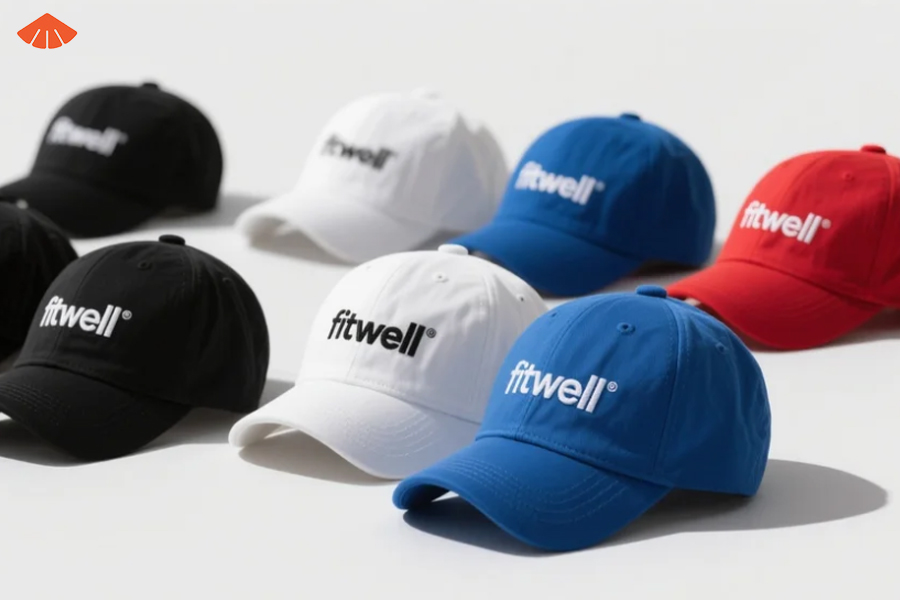
3.2 Key Quality Indicators to Check Before Ordering
Whether you choose hard top or soft top, there are several quality indicators you should always verify with your supplier. These factors directly impact the cap’s lifespan and overall value.
Critical quality checks forcustom flate embroidery logo two tone 5panel cotton twill baseball cap:
Fabric weight: Look for 14-16oz cotton twill for optimal durability and shape retention
Stitching density: Minimum 8 stitches per inch for structural seams
Embroidery quality: 7,000-10,000 stitches for a standard 3-inch logo (no loose threads)
Lining bonding: For hard top caps, ensure the lining is heat-bonded (not just stitched) to prevent separation
Pre-washing treatment: For soft top caps, confirm fabric is pre-washed 2-3 times to minimize post-purchase shrinkage
When evaluating acustom logo two tone 5 panel cotton baseball cap manufacturer, always request a physical sample first. Test the sample by washing it 2-3 times to see how it holds up before placing a bulk order.
4. Maximizing Cap Lifespan: Tips for Buyers and End Users
Even the highest quality custom 5 panel baseball cap will degrade quickly if not cared for properly. By following these best practices, you can extend the lifespan of your caps by 30-50% and reduce customer complaints.
4.1 Care Instructions to Share With Your Customers
One of the biggest mistakes B2B buyers make is not providing clear care instructions to end users. 62% of cap deformation issues are caused by improper washing and drying methods, according to 2026 data from the National Headwear Association.
Recommended care instructions for cotton twill baseball cap:
Wash in cold water (max 30°C/86°F) to prevent shrinkage
Use mild detergent and avoid bleach or fabric softener
Hand wash or use a gentle machine cycle (place cap in a mesh laundry bag)
Air dry only—never put caps in a dryer (high heat is the #1 cause of shape loss)
Reshape the crown and brim while the cap is still damp
Store caps on a hat rack or in a box to prevent crushing
Forembroidered logo baseball cap,additional care tips include:
Wash caps inside out to protect the embroidery from abrasion
Avoid ironing directly over the embroidered logo (use a pressing cloth if needed)
Don’t scrub the embroidered area aggressively during washing
4.2 Cost-Effective Procurement Strategies for B2B Buyers
For B2B buyers, balancing quality and cost is always a challenge. But choosing the cheapest option often leads to higher long-term costs due to returns, replacements, and damaged brand reputation.
Smart procurement strategies for 2026:
Order a mix of hard top and soft top styles to cover different customer segments
Take advantage of
wholesale custom flat embroidery 5 panel twill hats low moqoptions to test new designs without large upfront investment
Negotiate bulk pricing for core styles while keeping smaller inventory of trendy options
Work with a manufacturer that offers custom logo&color flexibility to adapt to changing market trends
Calculate total cost of ownership (not just per-unit cost) when comparing suppliers—longer-lasting caps have lower long-term costs
For custom cap importer clients, it’s also important to factor in shipping and customs costs. Lightweight soft top caps can be shipped more cheaply, but higher return rates may offset those savings.
As of 2026, the average ROI for high-quality hard top promotional caps is 4.2x, compared to 2.8x for low-quality soft top caps. This is because structured caps last longer, provide more consistent brand exposure, and have lower return rates.
By understanding the real lifespan difference between hard top and soft top caps, you can make smarter purchasing decisions that benefit your bottom line and your customers.
Interested in custom cap solutions? Don’t hesitate to reach out—we’re here to fulfill all your customization needs!
Follow & Message Us:
Facebook:https://www.facebook.com/fitwell.li
Instagram: www.instagram.com/fitwellcustomhats.dds/
LinkedIn:http://www.linkedin.com/in/fitwellcustom-hats-38a2b9b0/
Pinterest: http://www.pinterest.com/FitwellCustomHatsdds/
YouTube: http://www.youtube.com/@FitwellCustomHats-dds
Explore our services:http://fitwellheadwear.en.alibaba.com
WhatsApp us now: https://psce.pw/86jwa3