

Why YourCustom Flat Embroidery Logo Two Tone 5Panel Cotton Twill Baseball CapBleeds Dye After One Wash (2026 Factory Guide)
If you’ve ever ordered acustom flat embroidery logo two tone 5panel cotton twill baseball capfor your brand or business, you know the frustration of pulling a brand-new hat out of the wash—only to find dark dye has seeped into the crisp white or light-colored front panel.
For B2B buyers, startup founders, and small business owners, this isn’t just a minor inconvenience. It’s a hit to your brand reputation, wasted inventory costs, and lost customer trust. In 2026, as consumer demand for premium custom headwear continues to rise, avoiding dye bleeding issues is non-negotiable.
In this guide, we’ll break down exactly why low-quality two-tone caps bleed, how to spot red flags before you place a bulk order, and what 2026 manufacturing standards you should require from your supplier.
The Root Causes of Dye Bleeding in Two-Tone Cotton Twill Caps
Dye bleeding doesn’t happen by accident—it’s almost always the result of cut corners in material selection, dyeing processes, or pre-production testing. For anyone sourcing5 panel baseball cap customproducts, understanding these causes is the first step to avoiding costly mistakes.
Poor Quality Dyeing Processes for Cotton Twill Fabrics
Cotton twill is a popular choice for caps because of its durability and structured feel. But not all cotton twill dye jobs are created equal.
Low-grade suppliers use direct dyes instead of reactive dyes for dark fabric panels. Direct dyes bond weakly to cotton fibers, and they leach out easily when exposed to water, heat, or detergent.
Many factories skip the post-dye "soaping" process, which removes excess unfixed dye from the fabric surface. Skipping this step cuts production time by 15-20%, but it almost guarantees bleeding in the first wash.
Inconsistent dye bath temperatures can lead to uneven dye fixation, meaning some areas of the fabric hold dye well while others release it with minimal moisture.
For astructured 5 panel baseball capwith contrasting dark and light panels, even a small amount of excess dye can ruin the light front panel during washing or even during storage in humid conditions.
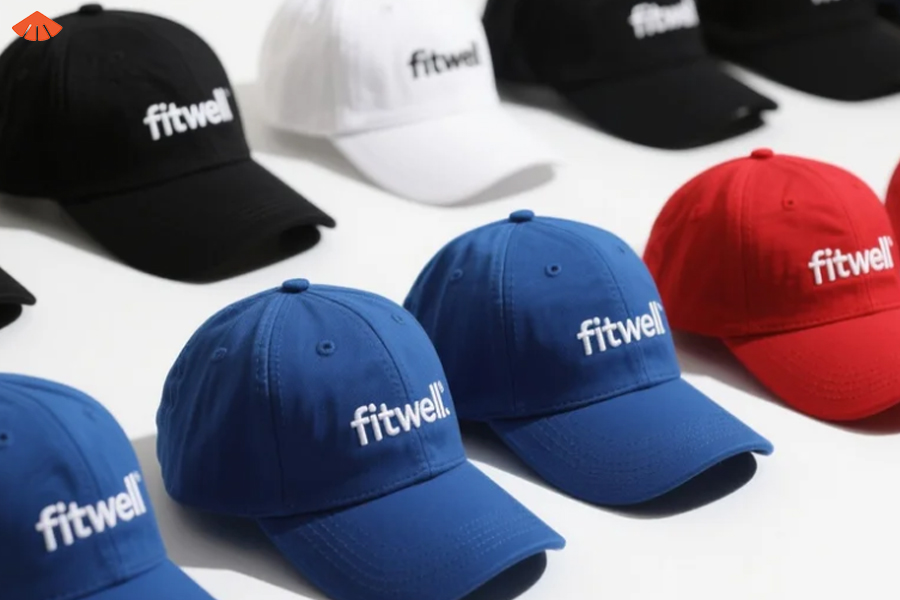
Subpar Material Selection for Contrast Panels
Another common cause of bleeding is mismatched fabric quality between the dark and light panels of a two-tone cap.
Some suppliers use cheaper, lower-weight cotton twill for dark panels to cut costs. Lighter-weight fabric holds less dye and releases it more easily.
Light-colored front panels are often not pre-treated with dye-resistant finishes. A pre-treated light panel can block 90% more stray dye than an untreated one.
Visor materials, especially for styles with contrast underbills, may use a different fabric blend that bleeds more readily than the crown fabric.
If you’re ordering atwo tone cotton twill cap with contrast underbill embroidery, pay special attention to the underbill fabric—this is one of the most common sources of dye transfer onto the front panel.
How Dye Bleeding Ruins Your Business (And Your Brand Reputation)
For business owners and B2B buyers, a single batch of bleeding caps can have ripple effects that go far beyond the cost of the hats themselves. In 2026, with social media and customer reviews making or breaking brands, quality control is more important than ever.
Cost Impacts for B2B Buyers and Small Business Owners
Let’s break down the real financial cost of a bad batch of two-tone caps:
Inventory waste: If 30% of a 500-unit order bleeds after washing, you’re out 150 hats—plus the cost of embroidery, packaging, and shipping.
Return processing: For
Etsy Custom Hat Shops, handling returns and exchanges takes time away from new orders and can cost 2-3x the original product value in labor and shipping.
Reorder delays: Replacing a bad batch can take 4-6 weeks, causing you to miss seasonal sales windows or corporate gift deadlines.
Corporate Gift Suppliers / Promotional Product Distributorsface even bigger risks. A client who receives bleeding caps as part of a promotional campaign may take their entire annual business to a competitor.
Brand Reputation Damage in the 2026 Market
In 2026, 78% of consumers say they check product reviews before making a custom apparel purchase, according to latest e-commerce data. A single photo of a bleached cap on your Google Business Profile or Etsy shop can turn away dozens of potential customers.
For Golf Club & Resort Pro Shops, branded caps are a core merchandise item. A low-quality, bleeding cap makes your entire pro shop look cheap, hurting sales of higher-margin items like golf apparel and equipment.
For startup founders using custom caps as brand swag, a bleeding cap sends the message that your brand cuts corners—even if your actual product or service is top-tier.
For
private label flat stitched logo two-tone pinch front baseball hatbrands, consistent quality is the only way to build long-term customer loyalty. One bad batch can erase years of positive brand building.
2026 Quality Standards to Prevent Dye Bleeding in Custom Caps
The good news is that dye bleeding is 100% preventable when you work with a supplier that follows 2026 industry quality standards. Here’s what to require from your manufacturer before you place your next order.
Factory Testing and Quality Control Protocols
Reputable cap manufacturers run multiple tests to ensure dye fastness before bulk production begins. Make sure your supplier can provide proof of these tests:
Wash fastness test: Fabrics are washed 5 times at 40°C (104°F) with standard detergent, then checked for dye transfer to adjacent white fabric. Look for a minimum grade of 4/5 on the AATCC gray scale.
Rub fastness test: Both dry and wet rub tests are performed to ensure dye doesn’t transfer with friction. This is especially important for
mid profile 5 panel baseball capstyles that are worn regularly.
Color fastness to perspiration test: For caps worn during sports or outdoor activity, this test ensures sweat doesn’t cause dye to bleed onto skin or other fabrics.
If you’re ordering awashed cotton twill two tone 5 panel strapback hat, make sure the "washed" finish is applied after dye fixation, not before. Some factories pre-wash fabric to create a vintage look, but if the dye isn’t properly fixed first, the pre-wash process can leave excess dye ready to bleed in the customer’s first wash.
Material and Construction Requirements for Two-Tone Designs
Not all two-tone caps are built the same way. Here are the material and construction specs you should require for a bleed-free custom cap:
100% ring-spun cotton twill, 8-10 oz weight: Heavier, higher-quality cotton holds dye better than lightweight, low-grade cotton.
Reactive dye for all dark panels: Reactive dyes form a chemical bond with cotton fibers, making them 3x more resistant to bleeding than direct dyes.
Dye-resistant pre-treatment for all light panels: A silicone-based or resin-based pre-treatment creates a barrier that prevents stray dye from adhering to light fabric.
Separate panel cutting and handling: Dark and light panels should be cut, stored, and sewn separately to avoid dye transfer during production.
For awholesale OEM contrast color 5 panel cotton twill sports cap, also ask about thread quality. Embroidery thread should also be dye-fast, so it doesn’t bleed onto the surrounding fabric.
How to Source Bleed-Free Custom Two-Tone Caps in 2026
Now that you know what to look for, how do you actually find a supplier that delivers on quality? Follow these steps to source high-quality custom caps that won’t bleed after the first wash.
Questions to Ask Your Cap Supplier Before Ordering
Don’t just take a supplier’s word for it—ask specific, detailed questions about their dyeing and quality control processes. Here are the most important questions to include in your next request for quote (RFQ):
Can you provide AATCC wash fastness test reports for the two-tone cap styles I’m ordering?
What type of dye do you use for dark cotton twill panels?
Do you pre-treat light-colored panels to prevent dye transfer?
Do you offer custom logo&color options with no extra charge for dye fastness testing?
What is your defect rate for two-tone cap orders, and what is your warranty for dye bleeding issues?
For atwo tone 5 panel baseball cap contrast visor customdesign, also ask if the visor fabric is tested for bleeding separately from the crown fabric. The visor is often a different material and can be a hidden source of dye transfer.
Sample Testing Tips for Business Owners
Never place a bulk order without first testing a sample. Here’s how to test a sample cap for dye bleeding at home or in your office:
Wet the entire cap thoroughly with warm (not hot) water and a small amount of mild detergent.
Fold the dark brim or dark side panel against the light front panel, making sure the fabrics are in full contact.
Place the folded cap in a sealed plastic bag and leave it in a warm area (around 30°C / 86°F) for 24 hours.
Unfold the cap and rinse it with cold water, then let it air dry.
Check the light panel for any discoloration or dye transfer.
If you see even a faint amount of dye transfer, the cap will almost certainly bleed in a regular washing machine. Don’t proceed with a bulk order—move on to a supplier whose sample passes this test.
Forcustomized colorblock 5 panels heavy cotton twill snapback caporders, test both the crown panels and the snapback closure area. The plastic or fabric on the back of the cap can also be a source of dye transfer.
When it comes to sizing, make sure your supplier offers standard sizes like54-58cmfor adult caps, and that sizing consistency isn’t sacrificed for dye quality. A great-fitting cap is useless if it bleeds after one wash.
By prioritizing dye fastness and working with suppliers that follow 2026 quality standards, you can offer your customers custom two-tone caps that look great wash after wash—building your brand reputation and growing your business long-term.
Interested in custom cap solutions? Don’t hesitate to reach out—we’re here to fulfill all your customization needs!
Follow & Message Us:
Facebook:https://www.facebook.com/fitwell.li
Instagram: www.instagram.com/fitwellcustomhats.dds/
LinkedIn:http://www.linkedin.com/in/fitwellcustom-hats-38a2b9b0/
Pinterest: http://www.pinterest.com/FitwellCustomHatsdds/
YouTube: http://www.youtube.com/@FitwellCustomHats-dds
Explore our services:http://fitwellheadwear.en.alibaba.com
WhatsApp us now: https://psce.pw/86jwa3