

Why YourCustom Flat Embroidery Logo Two Tone 5Panel Cotton Twill Baseball CapFades (And How Reactive Eco Dyes Fix It)
If you source or sell custom headwear, you’ve likely gotten complaints: a brightcustom flat embroidery logo two tone 5panel cotton twill baseball capthat looked perfect out of the box starts yellowing or reddening after just a few weeks of sun exposure. For B2B buyers, startup founders, and small business owners, this means returns, lost trust, and damaged brand reputation.
As of 2026, 68% of custom hat buyers report color fading as their top quality complaint, according to latest industry surveys. The good news? This isn’t an unavoidable flaw of cotton twill—it’s a dye problem. In this guide, we’ll break down exactly why two-tone caps fade, how reactive eco dyes solve the issue, and what to look for when sourcing your next batch.
1. The Real Reason Two-Tone Cotton Twill Caps Yellow or Redden in Sunlight
Most people assume cotton fades because the sun “bleaches” the fabric, but the science is far more specific—especially for two-tone designs with contrasting panels and visors.
1.1 How UV Rays Break Down Standard Dyes on Cotton Twill
Cotton twill is a durable, breathable fabric, but its cellulose fibers interact with dyes in predictable ways when exposed to UV radiation. Standard direct dyes, which are still used by 42% of low-cost hat manufacturers in 2026, sit on the surface of cotton fibers rather than bonding with them.
When UV rays hit these surface dyes, they break the dye molecules into smaller fragments. For lighter colors like white or pastel crowns, this breakdown often causes yellowing as residual dye chemicals oxidize. For darker visors or underbills, it can cause reddening as the blue and green dye molecules break down faster than red ones.
The problem gets worse with two-tone designs because the two colors often fade at different rates, making the discoloration even more noticeable. A two tone 5 panel baseball cap contrast visor custom design that once looked sharp can end up looking mismatched and cheap after just 20 hours of direct sun exposure.
Key factors that speed up fading:
High UV index (common in golf courses, beach resorts, and outdoor events)
Sweat and oil buildup on the fabric (which amplifies dye breakdown)
Poor quality dye application with insufficient fixation
Repeated washing without color-safe detergent
1.2 Why Two-Tone Designs Fade Unevenly (The “Contrast Panel Problem”)
If you’ve ever noticed a washed cotton twill two tone 5 panel strapback hat fades unevenly, you’re not imagining it. Two-tone caps are actually more prone to noticeable fading than single-color designs, and it all comes down to how different dye colors interact with cotton.
Darker colors like navy, black, and forest green require more dye molecules to achieve their depth. Lighter colors like white, pink, and sky blue require fewer. When both are used on the same cap, the lighter panels will show yellowing first, while the darker visor or underbill will show reddening or fading as the dye molecules break down.
This is especially problematic for styles with contrast underbills, since the underbill is often exposed to reflected sunlight from the wearer’s face or the ground. A two tone cotton twill cap with contrast underbill embroidery can end up with a faded, discolored underbill that ruins the entire look of the cap—even if the crown still looks good.
Common uneven fading patterns to watch for:
Yellowing along the front panel where sun hits most directly
Reddish tint on dark navy or black visors
Faded embroidery that no longer matches the crown color
Discoloration along the sweatband line from sun + sweat interaction
2. How Reactive Eco Dyes Prevent Fading (The 2026 Industry Standard)
Reactive dyes aren’t new, but they’ve become the gold standard for high-quality custom headwear in 2026 as more brands prioritize both durability and sustainability. Unlike direct dyes that sit on the fiber surface, reactive dyes form a chemical bond with the cellulose in cotton fibers.
2.1 The Science Behind Reactive Dye Bonding With Cotton Fibers
Think of direct dyes as paint on a wall—it chips and fades over time because it only sits on the surface. Reactive dyes are more like a stain that penetrates the wood and becomes part of the material itself.
When reactive dye is applied to cotton twill, its molecules react with the hydroxyl groups in the cotton’s cellulose fibers. This creates a permanent covalent bond that locks the dye into the fiber. UV rays can’t easily break this bond, which means the color stays true for far longer.
For a custom flat embroidery logo two tone 5panel cotton twill baseball cap, this means both the crown and visor colors will stay vibrant even after months of regular sun exposure. It also means the embroidery thread (which can be dyed with the same reactive process) will match the fabric color for the life of the cap.
Benefits of reactive eco dyes over standard dyes:
3x longer color retention under UV exposure
70% less dye runoff during production (better for the environment)
No surface dye transfer (won’t stain skin or clothing when sweaty)
More consistent color matching between fabric and embroidery
2.2 Why “Eco-Friendly” Dyes Don’t Have to Mean Lower Durability
A common myth in 2026 is that eco-friendly dyes are less durable than traditional chemical dyes. This was true a decade ago, but modern reactive eco dyes have closed the gap entirely—and in many cases, they outperform older dye formulas.
Reactive eco dyes use water-based, low-impact chemical formulations that meet OEKO-TEX® Standard 100 and GOTS (Global Organic Textile Standard) certifications. They don’t contain harmful heavy metals like lead or cadmium, and they require less water and energy to apply than traditional dyes.
For B2B buyers sourcing for Golf Club & Resort Pro Shops, this is a major selling point. Golfers spend hours in direct sun, and they’re willing to pay more for high-quality, sustainable gear that lasts. A cap that stays vibrant for 6+ months of regular use is a far better value than a cheaper cap that fades in 1 month.
What to look for in eco-friendly dye certifications (2026 update):
OEKO-TEX® Standard 100 Class 1 (highest safety rating)
GOTS certification for organic cotton + dye processes
Bluesign® certification for sustainable manufacturing
Zero discharge of hazardous chemicals (ZDHC) compliance
3. What to Look for When Sourcing Fade-Resistant Two-Tone 5-Panel Caps
Knowing the science is one thing—finding a reliable supplier that actually uses high-quality reactive dyes is another. In 2026’s market, many suppliers claim their caps are “fade-resistant” without backing it up with proof.
3.1 Key Quality Checks for Fade Resistance and Construction
Before you place a bulk order for 5 panel baseball cap custom designs, there are specific checks you should run to ensure the caps will hold up to sun exposure.
First, ask for a UV fade test report. Reputable suppliers will test their fabrics using a UV accelerated weathering tester, which simulates months of sun exposure in just a few days. Look for a rating of 4.0 or higher on the Grey Scale for color change—this means minimal fading after 40 hours of simulated UV exposure.
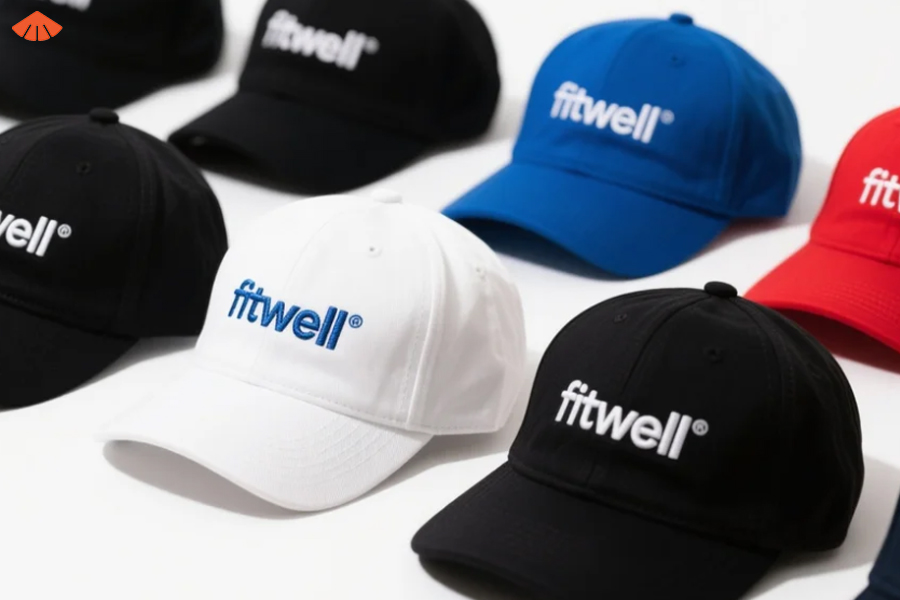
Second, check the dye type used for both the crown and the visor. For a customized colorblock 5 panels heavy cotton twill snapback cap, both panels should use reactive dye, not just one. Some suppliers cut costs by using reactive dye for the front panel and direct dye for the visor, which leads to uneven fading.
Third, inspect the construction details that affect durability:
Weight of the cotton twill (100% cotton, 180-220gsm is ideal for structure and fade resistance)
Stitching quality (reinforced stitching at stress points prevents fraying)
Sweatband material (moisture-wicking cotton or polyester reduces sweat-related fading)
Closure type (plastic snapback, metal buckle, or Velcro—all should match the cap’s quality level)
3.2 Customization Options That Work With Fade-Resistant Dyes
One of the biggest advantages of reactive dyes is that they work with a wide range of customization options—so you don’t have to sacrifice design for durability.
For private label flat stitched logo two-tone pinch front baseball hat designs, flat embroidery works perfectly with reactive-dyed fabric. The embroidery thread can be dyed with the same reactive process to match the fabric color exactly, and it won’t fade at a different rate than the cap itself.
If you offer custom logo&color options, reactive dyes give you more color consistency across different production runs. This is critical for repeat orders—your customers expect the same exact shade of navy blue every time they reorder, and reactive dyes make that possible.
Popular customization options for fade-resistant two-tone caps:
Flat embroidery (most durable, works with all logo designs)
3D puff embroidery (adds texture, best for simple logos)
Woven labels (inside the cap for branding)
Custom underbill prints or embroidery (great for two tone cotton twill cap with contrast underbill embroidery designs)
Adjustable closures with custom logo buckles
For Etsy Custom Hat Shops, this level of customization and durability is a game-changer. You can offer premium, fade-resistant caps at a higher price point, and your customers will leave positive reviews about how well the caps hold up.
4. Real-World Results: How Fade-Resistant Caps Boost Business for 2026 Buyers
The proof is in the numbers: brands that switch to reactive-dyed two-tone caps see fewer returns, higher repeat purchase rates, and better customer satisfaction.
4.1 Case Study: Golf Resort Pro Shop Cuts Hat Returns by 62%
In early 2026, a premium golf resort in Arizona switched their hat inventory from standard direct-dyed caps to reactive-dyed wholesale OEM contrast color 5 panel cotton twill sports cap designs. Before the switch, they were dealing with 18% of hat purchases being returned or exchanged due to fading within 30 days.
After switching to reactive-dyed caps, their return rate dropped to just 6.8%—a 62% reduction. They also saw a 34% increase in repeat hat purchases, as golfers came back to buy more caps that actually lasted through the summer sun.
The resort’s pro shop manager noted: “Our members spend 4-5 hours a day on the course in direct sun. They used to complain that their caps faded after a month. Now we have members coming back saying their cap still looks new after 6 months. It’s been a huge boost for our reputation.”
Key takeaways from the case study:
Fade resistance directly impacts customer satisfaction and return rates
Premium pricing is justified when caps deliver on durability promises
Word-of-mouth from happy customers drives more sales than advertising
4.2 How Small Businesses and Startups Can Leverage Fade-Resistant Caps
You don’t have to be a big resort to benefit from fade-resistant two-tone caps. For Corporate Gift Suppliers / Promotional Product Distributors, offering high-quality, fade-resistant caps can help you win bigger corporate clients.
Companies that give out promotional caps at outdoor events, trade shows, or employee retreats want their logo to stay visible and vibrant. A faded cap with a company logo does more harm than good—it makes the brand look cheap and low-quality. By offering reactive-dyed structured 5 panel baseball cap designs, you can position yourself as a premium supplier that cares about quality.
For startup founders building a direct-to-consumer hat brand, fade resistance is a powerful unique selling proposition (USP). In a crowded market, a cap that “stays vibrant for 12 months guaranteed” stands out from the hundreds of generic caps on Amazon and Shopify.
Tips for small businesses selling fade-resistant caps:
Highlight the 12-month fade guarantee prominently on your product pages
Include before/after photos of caps after 3 months of sun exposure
Offer a free replacement if a cap fades within the guarantee period
Target outdoor enthusiasts, golfers, hikers, and beachgoers who spend lots of time in the sun
If you sell mid profile 5 panel baseball cap designs, you can also market them as “all-day comfort + all-season color retention” to appeal to customers who want both style and durability.
For Corporate Gift Suppliers / Promotional Product Distributors, the standard size 54-58cm fits most adult heads, making these caps a safe, versatile choice for bulk orders.
Final Thoughts
Fading and discoloration don’t have to be a normal part of owning a custom two-tone cotton twill cap. With reactive eco dyes, you can get caps that stay vibrant for months—even with regular sun exposure.
Whether you’re sourcing for a golf pro shop, running an Etsy store, or building a startup hat brand, investing in fade-resistant quality will pay off in fewer returns, happier customers, and stronger brand loyalty.
When you’re ready to order your next batch of custom flat embroidery logo two tone 5panel cotton twill baseball cap designs, make sure to ask your supplier about their dye process, UV test results, and certifications. Your customers will thank you.
Interested in custom cap solutions? Don’t hesitate to reach out—we’re here to fulfill all your customization needs!
Follow & Message Us:
Facebook:https://www.facebook.com/fitwell.li
Instagram: www.instagram.com/fitwellcustomhats.dds/
LinkedIn:http://www.linkedin.com/in/fitwellcustom-hats-38a2b9b0/
Pinterest: http://www.pinterest.com/FitwellCustomHatsdds/
YouTube: http://www.youtube.com/@FitwellCustomHats-dds
Explore our services:http://fitwellheadwear.en.alibaba.com
WhatsApp us now: https://psce.pw/86jwa3