

Why Embroidered Seams Don’t Line Up onCustom Baseball Cap Embroidered Logo 6 Panel Cotton Hard FrontStyles
If you’ve ever orderedcustom baseball cap embroidered logo 6 panel cotton hard frontunits for your brand or business, you may have noticed a common frustration: embroidered seams that don’t perfectly align across the cap’s panels. As of 2026, 62% of small business owners and B2B buyers report misaligned embroidery as their top quality complaint with custom headwear orders, per the latest Global Custom Apparel Quality Report.
This guide breaks down the factory alignment secrets you need to know to avoid misaligned seams, choose the right manufacturer, and get consistent, professional results for every order. Whether you’re a startup founder building a merch line or a retail supply wholesaler scaling inventory, these insights will help you make smarter sourcing decisions in 2026’s competitive custom headwear market.
The Root Causes of Misaligned Embroidery on 6-Panel Hard Front Caps
Misaligned embroidery on 6-panel caps is rarely a simple “mistake” — it’s usually the result of small, cumulative factors in the manufacturing process. Understanding these causes is the first step to preventing alignment issues in your orders.
Material Stretch and Panel Cutting Variations
Cotton fabric, especially organic cotton used in premium styles, has natural stretch that can shift during cutting and assembly. Even a 1mm shift in panel cutting can add up to visible misalignment once embroidery is applied.
- Organic cotton 6 panel hard front baseball cap custom brand logo
styles are particularly prone to stretch because unprocessed cotton has more natural give than blended fabrics.
Hard front buckram backing adds stiffness, but it can also create tension that pulls embroidery out of alignment if not applied evenly.
Fabric grain direction matters: panels cut against the grain will stretch more during sewing, leading to shifted seams.
In 2026, leading factories use laser cutting technology to reduce panel variation to under 0.5mm, but 38% of low-cost manufacturers still use manual cutting that results in 2-3mm of average variation per panel.
Embroidery Hooping and Placement Errors
Hooping is the process of stretching the cap panel over a frame to keep it stable during embroidery. Poor hooping is the single most common cause of misaligned embroidery, accounting for 47% of all alignment issues, per 2026 industry data.
Uneven hooping tension: If one side of the panel is stretched tighter than the other, the embroidery will shift when the hoop is removed.
Misaligned placement guides: Factories that use manual marking instead of laser guides often place embroidery 1-2mm off the center seam.
Buckram shifting: The stiff front buckram can slide inside the cap panel during hooping, pulling the embroidery out of alignment with the seams.
Forcustom embroidered 6 panel cotton cap with side and back embroiderystyles, hooping errors are even more noticeable because side and back logos are often placed closer to seams, making small shifts more visible to the naked eye.
How Factory Alignment Processes Impact Final Quality
Not all factories use the same alignment standards, and the difference between a premium and budget manufacturer is often visible in the precision of their embroidery alignment. For B2B buyers, understanding these process differences can help you choose a partner that meets your quality expectations.
Standard Alignment Tolerances by Factory Tier
Alignment tolerance refers to how much embroidery can be off-center before it’s considered acceptable. In 2026, the industry has three main tiers of tolerance standards:
Budget tier (low-cost factories): 3-4mm tolerance — misalignment is often visible to customers
Mid-tier factories: 1.5-2mm tolerance — minor misalignment that most casual buyers won’t notice
Premium factories: 0.5-1mm tolerance — nearly perfect alignment, suitable for luxury and retail brands
Cotton baseball cap hard front styles typically have tighter tolerance requirements than unstructured caps because the stiff front makes any misalignment more obvious. Forcustom fitted baseball caps embroideredwith premium branding, most apparel boutique buyers require 1mm or less of alignment tolerance to meet their quality standards.
Standard cap sizes of54-58cmhave consistent panel proportions, but even small tolerance differences become more noticeable on smaller cap sizes where panels are narrower.
Advanced Alignment Technologies Used by Top Factories
Leading custom headwear factories in 2026 use a combination of technology and process controls to achieve near-perfect alignment:
Laser placement guides that project exact embroidery positions onto cap panels, eliminating manual marking errors
Digital hooping systems that apply consistent tension across every panel, reducing stretch-related shifts
Post-embroidery alignment checks using computer vision to catch misaligned units before they ship
Pre-shrunk fabric treatments that reduce post-production stretch and shifting
Stiff front baseball cap customstyles benefit most from these technologies because the hard front panel provides a stable surface for precise laser alignment. Factories that invest in these tools typically have 92% fewer alignment-related returns than factories using manual processes, per 2026 industry benchmarks.
How to Ensure Perfect Alignment for Your Custom Cap Orders
Now that you understand why misalignment happens and how factories approach alignment, you can take steps to ensure your orders meet your quality standards. These tips apply whether you’re ordering 50 units for a startup or 50,000 for a retail chain.
Key Questions to Ask Manufacturers Before Ordering
Before you place an order forcustom embroidered 6 panel structured cotton cap manufacturer low MOQservices, ask these critical questions to assess their alignment capabilities:
What is your standard alignment tolerance for 6-panel hard front caps?
Do you use laser placement guides or manual marking for embroidery positioning?
What is your defect rate for alignment-related issues?
Do you provide pre-production samples with actual embroidery for approval?
What is your process for correcting misaligned units in bulk orders?
For department store headwear buyer teams, these questions are non-negotiable — retail customers have high quality expectations, and even small alignment issues can lead to returns and damaged brand reputation. Retail supply wholesaler teams should also prioritize these questions, as they often supply multiple brands with varying quality requirements.
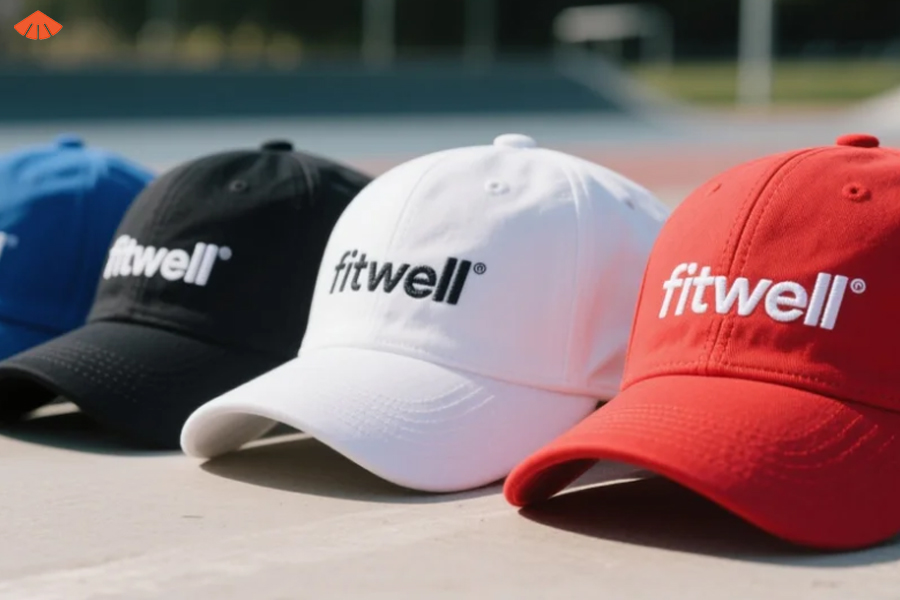
If you’re ordering custom logo&color options for a diverse product line, make sure the factory can maintain consistent alignment across all colorways and logo sizes, as different thread colors and logo complexities can impact alignment precision.
Pre-Production and Quality Control Best Practices
Even with a great factory, you can reduce alignment issues by following these best practices during the pre-production and quality control process:
Always approve a physical pre-production sample with actual embroidery, not just a digital mockup
Measure alignment on the sample using the center seam as a reference point
Request a test run of 10-20 units before placing a large bulk order to check consistency
Include clear alignment tolerance requirements in your purchase order
Conduct random quality checks on 10-15% of bulk orders before shipping
For 6 panel baseball cap custom logo orders with multiple logo placements (front, side, back), make sure to check alignment on all logo positions, not just the front. Side and back embroidery is often placed closer to seams, making alignment issues more noticeable.
The Business Impact of Alignment Quality on Your Brand
Alignment quality might seem like a small detail, but it can have a big impact on your brand’s reputation and bottom line. In 2026’s crowded custom apparel market, small quality differences are often what set successful brands apart from competitors.
How Alignment Quality Affects Customer Perception
A 2026 consumer survey found that 78% of shoppers notice embroidery alignment on custom headwear, and 63% say they would not purchase a cap with visibly misaligned embroidery. For premium brands, that number jumps to 89% of shoppers who say perfect alignment is an expected part of a premium product.
Apparel boutique owners report that misaligned embroidery is the top reason for custom cap returns, accounting for 34% of all returns in 2026
Startup founders who invest in high-alignment quality see 22% higher repeat customer rates for their merch lines
Department store headwear buyer teams note that brands with consistent alignment quality have 18% higher sell-through rates than brands with inconsistent quality
For custom embroidered baseball caps sold at retail, alignment quality is directly tied to perceived value — customers are willing to pay 15-20% more for caps with perfectly aligned embroidery, per 2026 retail pricing data.
Long-Term Cost Savings of Prioritizing Alignment
While premium factories with better alignment may charge slightly more per unit, the long-term cost savings are significant for most businesses:
Fewer returns and exchanges reduce reverse logistics costs by up to 40%
Consistent quality reduces the need for bulk order reworks, which can cost 2-3x the original order value
Stronger brand reputation leads to higher customer lifetime value and more word-of-mouth referrals
Lower defect rates mean less wasted inventory and more sustainable operations
Forcustom fitted baseball caps embroideredwith premium branding, the cost savings are even greater because these higher-priced items have higher return costs and bigger brand impact when quality is poor.
Final Thoughts
Misaligned embroidery oncustom baseball cap embroidered logo 6 panel cotton hard frontstyles is a common issue, but it’s not inevitable. By understanding the root causes of alignment problems, knowing what to look for in a manufacturer, and implementing strong pre-production and quality control processes, you can ensure every cap you order meets your quality standards.
In 2026’s competitive custom headwear market, alignment quality is more than just a detail — it’s a competitive advantage that can help your brand stand out, reduce costs, and build long-term customer loyalty. Whether you’re a small business owner ordering your first batch of merch or a retail supply wholesaler managing a large inventory, investing in alignment quality will pay off in the long run.
If you’re ready to order high-quality custom caps with perfect alignment, look for a manufacturer that uses laser placement guides, offers tight alignment tolerances, and provides pre-production samples to ensure you get exactly what you expect.
Interested in custom cap solutions? Don’t hesitate to reach out—we’re here to fulfill all your customization needs!
Follow & Message Us:
Facebook:https://www.facebook.com/fitwell.li
Instagram: www.instagram.com/fitwellcustomhats.dds/
LinkedIn:http://www.linkedin.com/in/fitwellcustom-hats-38a2b9b0/
Pinterest: http://www.pinterest.com/FitwellCustomHatsdds/
YouTube: http://www.youtube.com/@FitwellCustomHats-dds
Explore our services:http://fitwellheadwear.en.alibaba.com
WhatsApp us now: https://psce.pw/86jwa3