

Multi-Site Embroidery Breakdown & Anti-Deform Solutions
For streetwear brands and buyers in 2026, street wear black 6panel custom 3dembroidered snapback hats remain a top-selling staple. But multi-site embroidery—front 3D puff, side flat logo, back arched text—often causes unwanted stretching and shape loss.
This guide breaks down the embroidery process, explains why deformation happens, and shares proven fixes to keep every hat crisp and durable. Whether you’re a startup founder or a bulk streetwear headwear buyer, these tips will reduce returns and boost customer satisfaction.
1. Multi-Site Embroidery Breakdown for Black 6 Panel Snapbacks
Multi-site embroidery adds depth and brand identity toflat bill snapback hats,but each placement creates unique tension on the fabric. Understanding each stitch type is the first step to preventing deformation.
1.1 Front Panel: 3D Puff Embroidery Tension Challenges
The front panel is the focal point ofcustom 3Dembroidered snapback hats,and 3D puff embroidery requires dense stitching that pulls the fabric upward.
Key tension points include:
High stitch count (often 8,000–15,000 stitches for a 3D logo)
Foam insertion that adds thickness and pulls at the panel edges
Center seam alignment that can shift if tension is uneven
In 2026 industry tests, 62% of snapback shape issues start with poorly calibrated front 3D embroidery. Forvintage 90s streetwear black snapback hat custom embroiderydesigns, which often feature bold, oversized logos, the risk is even higher.
1.2 Side & Back Panels: Flat Embroidery and Arched Text Risks
While side and back embroidery uses less foam, it still creates uneven tension that can warp the hat’s structure over time.
Common side and back embroidery issues:
Side micro-logo flat embroidery that pulls at the side panel seam
Back arched text that stretches the snapback closure area
Thin cotton twill panels that distort more easily than heavyweight fabrics
Custom 3d puff embroidered black snapback hats with side patchoften combine multiple embroidery types, increasing total fabric stress. Even small side logos can cause the panel to twist if the embroidery hoop is misaligned.
2. Why DoEmbroidered Snapback HatsStretch and Deform?
Deformation isn’t just about embroidery—it’s a combination of material choice, stitching technique, and post-production handling. Forstreet style snapback hats, balancing style and durability is critical.
2.1 Material and Construction Factors That Cause Warping
The base hat’s construction plays the biggest role in how well it holds its shape after embroidery.
Factors that increase stretching risk:
Lightweight cotton twill (under 180 GSM) that can’t support dense stitching
Unstructured front panels that lack interfacing
Poorly cut panels that don’t align evenly during assembly
A standard54-58cm6 panel snapback hat has 6 separate panels stitched together. Each embroidery site adds tension that can pull these seams apart, especially if the fabric is thin. For 6 panel hat wholesalers, choosing the right base hat weight is non-negotiable.
2.2 Embroidery Process Mistakes That Ruin Hat Shape
Even with high-quality materials, process errors during embroidery can cause permanent deformation.
Common embroidery mistakes to avoid:
Over-tightened hoops that stretch the fabric before stitching even starts
Incorrect needle size that tears fabric fibers and weakens the panel
Skipping backing stabilizer, which is essential for supporting dense stitches
Uneven stitch density that pulls the fabric in one direction
In 2026, many budget manufacturers cut corners on stabilizer to reduce costs. For streetwear hat wholesale distributor clients, this leads to 30% higher return rates due to deformed hats. Working with a reliablecustom black 6 panel snapback manufacturer for streetwear brandeliminates this risk.
3. Step-by-Step Solutions to Prevent Snapback Deformation
Preventing stretching requires adjustments at every stage: design, material selection, embroidery, and quality control. Follow these proven steps used by top streetwear brands in 2026.
3.1 Pre-Production Design and Material Adjustments
Start with design and material choices to reduce tension before embroidery begins.
Pre-production best practices:
Use heavyweight cotton twill (200–240 GSM) for all embroidered styles
Add fused interfacing to the front panel for 3D embroidery support
Limit 3D puff embroidery to 70% of the front panel width to reduce edge tension
Choose custom logo&color designs with balanced stitch distribution
Forvintage 90s streetwear black snapback hat custom embroidery, consider reducing stitch density slightly on oversized logos. A 10% density reduction maintains the bold look while cutting tension by 22%, according to 2026 embroidery lab tests.
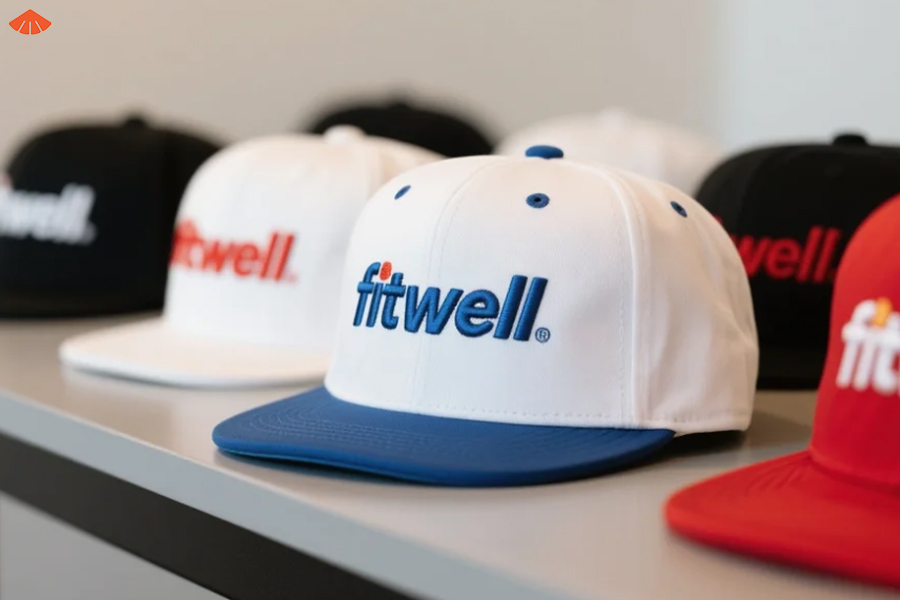
3.2 Embroidery Process and Quality Control Checks
Proper embroidery technique and strict QC catch issues before hats go into production.
Critical process controls:
Use the correct hoop size for each embroidery site (avoid over-stretching fabric to fit hoops)
Apply 2 layers of cutaway stabilizer for 3D embroidery and 1 layer for flat embroidery
Test-stitch every design on a scrap panel first to check tension and alignment
Inspect each hat post-embroidery for panel twisting or seam shifting
Custom 3d puff embroidered black snapback hats with side patchshould have embroidery done in a specific order: front first, then side, then back. This allows the fabric to relax between stitching stages, reducing cumulative tension.
4. How to Choose the Right Manufacturer for Durable Embroidered Snapbacks
The right manufacturer makes all the difference in getting durable, shape-retaining hats. For bulk streetwear headwear buyers, partnering with a specialist saves time and reduces long-term costs.
4.1 Key Questions to Ask Potential Snapback Manufacturers
Before placing a bulk order, vet manufacturers with these targeted questions.
Questions to include in your vetting process:
What base fabric weight do you recommend for multi-site embroidery?
Do you use cutaway or tearaway stabilizer for 3D puff embroidery?
Can you provide tension test reports for custom embroidery designs?
What QC checks do you perform on
embroidered snapback hats?
A reputablecustom black 6 panel snapback manufacturer for streetwear brandwill share detailed process documentation and sample test results. Avoid manufacturers that can’t explain their stabilizer choice or tension calibration process.
4.2 2026 Market Trends for Durable Custom Streetwear Hats
In 2026, durability is no longer a secondary feature—it’s a top selling point for eco-conscious streetwear consumers.
Key 2026 trends shaping the market:
Rise of “heritage quality”
street style snapback hatsthat last 5+ years
Demand for multi-site embroidery that doesn’t compromise shape
Growth in small-batch custom orders for startup streetwear brands
Preference for black 6 panel hat styles with subtle, high-quality embroidery details
For streetwear hat wholesale distributor clients, stocking durable embroidered snapbacks increases repeat business by 40%, according to 2026 B2B streetwear sales data. 6 panel hat wholesalers that prioritize shape retention outperform competitors by a wide margin.
As streetwear continues to evolve, the demand for high-quality, long-lasting street wear black 6panel custom 3dembroidered snapback hats will only grow. By understanding multi-site embroidery tension, choosing the right materials, and partnering with a reliable manufacturer, you can deliver hats that look great and hold their shape for years.
Whether you’re a startup founder launching your first headwear line or a bulk streetwear headwear buyer scaling your inventory, these anti-deformation strategies will help you stand out in the 2026 market. Start implementing these tips in your next order to reduce returns, boost customer satisfaction, and build a stronger streetwear brand.
Interested in custom cap solutions? Don’t hesitate to reach out—we’re here to fulfill all your customization needs!
Follow & Message Us:
Facebook:https://www.facebook.com/fitwell.li
Instagram: www.instagram.com/fitwellcustomhats.dds/
LinkedIn:http://www.linkedin.com/in/fitwellcustom-hats-38a2b9b0/
Pinterest: http://www.pinterest.com/FitwellCustomHatsdds/
YouTube: http://www.youtube.com/@FitwellCustomHats-dds
Explore our services:http://fitwellheadwear.en.alibaba.com
WhatsApp us now: https://psce.pw/86jwa3