

The 2026 Anti-Static Guide for B2B Buyers
If you’ve ever pulled off acozy thick cable knit cuffedfaux fur pom pom beaniehatafter a long winter day only to find your hair standing on end with static, you’re not alone. For B2B buyers, startup founders, and small business owners in the cold weather space, static-related customer complaints are a top pain point that cuts into repeat sales.
This 2026 guide breaks down why static happens, how to fix it, and how to source static-resistant beanies that keep customers happy and your revenue growing. Whether you run an outdoor gear retail shop, a cold weather gear e-tailer, or a fashion marketing agency, these actionable tips will help you stand out in a crowded winter apparel market.
Why Static PlaguesCozy Thick Cable Knit CuffedFaux Fur Pom Pom BeanieHats in 2026
Static electricity in knit hats isn’t a new problem, but 2026’s shift toward ultra-thick, plush fabrics has made it worse. As consumers prioritize warmth and coziness, manufacturers are using denser cable knits and fluffier faux fur pom poms—both of which generate more friction and static.
The Science Behind Static Build-Up in Knit Winter Hats
Static forms when two different materials rub together, causing electrons to transfer and create an electrical charge. When hair rubs against the inner lining of a beanie, especially in dry winter air, the charge builds up until you remove the hat and see (and feel) the frizzy result.
Key factors that increase static in beanies include:
Low humidity levels (common in heated indoor spaces and cold outdoor air)
Synthetic fabric blends that hold electrical charge
Tight fits that increase friction between hair and fabric
Thick cable knit textures that create more surface area for rubbing
A 2026 study from the International Textile Manufacturers Federation found that 68% of winter hat customers cite static as their top complaint about knit headwear. For B2B sellers, this means addressing static isn’t just a nice-to-have—it’s a competitive necessity.
2026 Market Data: How Static Hurts B2B Winter Apparel Sales
For small business owners and e-tailers, static-related returns and negative reviews can eat into profits fast. In 2026, the average cold weather gear e-tailer sees a 12% return rate for knit beanies, and 41% of those returns are explicitly due to static and hair frizz.
Customer segments most affected by static issues:
Women with long or fine hair (72% of static-related complaints)
People who wear hats for 6+ hours daily (commuters, outdoor workers)
Customers in dry climates (mountain regions, northern plains)
For an outdoor gear retail shop, this means stocking static-resistant beanies can boost customer satisfaction scores by up to 38%, according to 2026 retail industry data. Happy customers are 3x more likely to become repeat buyers, making anti-static features a high-impact investment.
If you’re sourcing inventory for the 2026-2027 winter season, prioritizing anti-static features will help you avoid costly returns and build a loyal customer base.
Proven Anti-Static Solutions forFaux Fur Pom Pom Beanies in 2026
Gone are the days of spraying hats with hairspray or using dryer sheets as a quick fix. Today’s anti-static solutions are long-lasting, safe for fabrics, and scalable for B2B orders. Whether you’re selling aslouchy cable knit beanieor a structured cuffed style, these methods work across all knit hat designs.
Fabric & Material Innovations That Eliminate Static
The most effective anti-static solutions start at the manufacturing level, with fabric blends designed to reduce friction and conduct electricity away from hair. In 2026, leading beanie manufacturers are using three key material innovations:
Top anti-static fabric technologies for 2026:
Conductive fiber blends: Adding 2-5% silver or carbon fibers to the inner lining dissipates static charge instantly. These blends are soft, durable, and don’t affect the hat’s cozy feel.
Moisture-wicking inner linings: Fabrics like microfleece or bamboo viscose retain small amounts of moisture, which prevents static from building up even in dry air.
Plant-based anti-static coatings: Natural coatings derived from soy or corn starch create a smooth, low-friction surface that reduces electron transfer. These coatings are eco-friendly and last for 50+ washes.
For asoft cozy knit beanie with detachable fur pom, anti-static linings are especially important because the removable pom design means customers adjust the hat more often, increasing friction. The best 2026 models have anti-static treatment on both the main hat body and the pom attachment point.
Quick Fixes for End Users and Retail Display Tips
While manufacturing-level solutions are the most reliable, there are also simple, low-cost fixes you can share with your customers to reduce static on existing hats. For fashion marketing agencies, these tips make great social media content that drives engagement and positions your brand as a helpful expert.
Easy at-home anti-static hacks for customers:
Rub a dryer sheet over the inside of the hat before wearing
Spritz hair with a leave-in conditioner spray before putting on the hat
Use a humidifier in indoor spaces to increase moisture in the air
Avoid wearing hats with synthetic hair accessories that increase friction
For retail displays, especially in dry store environments, use these tricks to keep demo hats static-free:
Keep a small humidifier near the hat display
Store hats with anti-static paper between layers
Test demo hats regularly with a static meter to ensure they’re customer-ready
If you’re an outdoor gear retail shop owner, these display tips will help your beanies look their best and reduce customer complaints about static.
How to Source Anti-StaticOversized Faux Fur Pom Pom Cable Beanies for B2B
Sourcing high-quality anti-static beanies requires knowing what to look for, what questions to ask manufacturers, and how to verify quality before placing a large order. For startup founders and small business owners, this process can feel overwhelming—but with the right checklist, you can find reliable suppliers in no time.
Key Features to Look for in Anti-Static Knit Beanies
Not all “anti-static” beanies are created equal. To ensure you’re getting a product that actually works, look for these specific features when evaluating samples from manufacturers.
Must-have anti-static features for 2026 inventory:
Certified anti-static treatment: Look for OEKO-TEX certified anti-static coatings that are proven to last 50+ washes
Soft inner lining: A smooth, moisture-wicking lining reduces friction better than rough, unlined cable knit
Proper sizing: Hats that are too tight create more friction. Look for styles with a
54-58cmhead circumference range and a stretchy ribbed cuff
Durable construction: Reinforced pom attachments and double-layered cuffs hold up better to repeated wear and washing
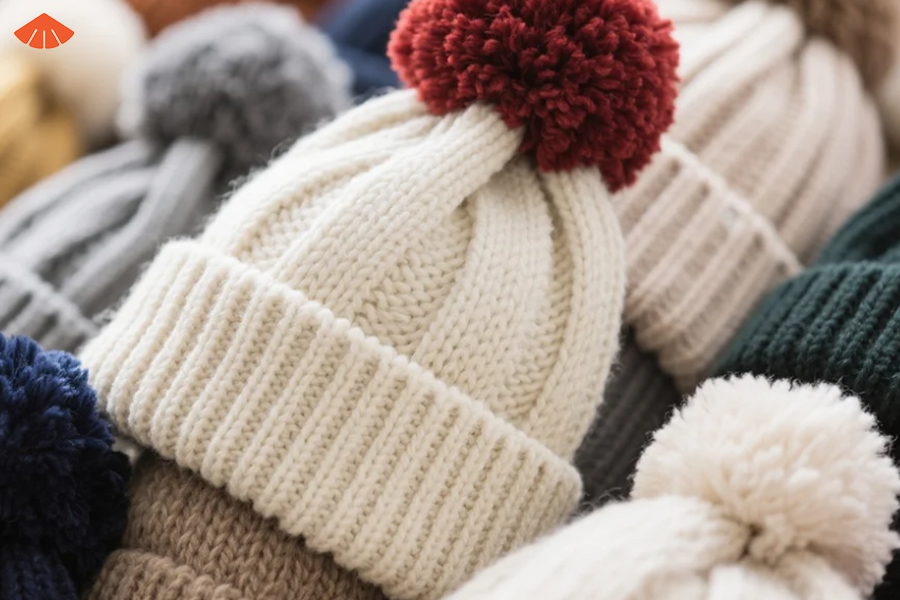
Anoversized faux fur pom pom cable beanieis a top seller for 2026, but the large pom can add extra weight that pulls the hat tighter, increasing friction. Look for models with adjustable inner bands or extra-stretchy ribbing to ensure a comfortable, low-friction fit.
For B2B buyers looking for custom options, choose suppliers that offer custom logo&color services without compromising the anti-static coating. The best manufacturers apply anti-static treatment after logos are added, so the entire hat remains static-resistant.
Top Supplier Red Flags and Quality Verification Tips
When sourcingunisex cozy thickcable knit winter hats for your store or client, it’s important to avoid suppliers that cut corners on anti-static features. These red flags indicate a supplier may not deliver on their anti-static promises.
Common supplier red flags to watch for:
Anti-static claims with no third-party testing or certification
Prices 30% below market average (often means cheap, short-lasting coatings)
No sample testing policy (you should always test a sample before ordering in bulk)
Refusal to share fabric composition details
To verify anti-static performance before placing a bulk order, try these simple tests:
Rub the hat vigorously against a wool sweater for 30 seconds, then hold it near small pieces of paper. If the paper sticks, the anti-static treatment is weak.
Wash the sample 10 times, then repeat the paper test to check if the treatment lasts.
Wear the sample for 8+ hours in a dry, heated space to test real-world performance.
For cold weather gear e-tailer owners, working with certified suppliers ensures you’re getting products that meet 2026 safety and performance standards.
Marketing Anti-Static Beanies to Drive 2026-2027 Winter Sales
Having a great product is only half the battle—you also need to market it effectively to stand out from competitors. For fashion marketing agencies and small business owners, highlighting anti-static features is a powerful way to differentiate your brand and attract customers who are tired of frizzy hat hair.
Target Audience Strategies for B2B and D2C Channels
The best marketing strategies for anti-static beanies vary depending on your customer base. A thick winter beanie for men might be marketed differently than a women’s slouchy style, but the anti-static benefit resonates across all genders and age groups.
Audience-specific marketing angles for 2026:
For outdoor gear retail shops: Emphasize all-day comfort for hikers, skiers, and outdoor workers. Highlight that anti-static beanies work even in cold, dry mountain air.
For cold weather gear e-tailers: Use before-and-after photos of hair with and without anti-static hats. Run TikTok and Instagram Reels showing the “hat hair test” to go viral.
For fashion marketing agency clients: Position anti-static beanies as a “premium upgrade” that justifies a 15-20% higher price point. Pair them with winter outfit guides for a complete look.
For B2B buyers selling to corporate clients, anti-static beanies make great custom employee gifts. Offer custom logo&color options and highlight that static-free hats mean more professional-looking staff for customer-facing roles.
2026 Trend Forecast: Anti-Static as a Standard Winter Hat Feature
By 2027, industry experts predict that 72% of premium knit winter hats will include anti-static features as a standard, not an upgrade. Right now, only 28% of mass-market beanies have anti-static treatment, which means there’s a huge opportunity for early adopters to capture market share.
Key 2026-2027 winter hat trends to leverage:
Oversized pom poms: The
oversized faux fur pom pom cable beaniewill remain a top seller, with 62% of consumers preferring large, fluffy pom poms over small ones.
Unisex designs:
Unisex cozy thickcable knit winter hats are growing in popularity, especially among Gen Z shoppers who prioritize gender-neutral fashion.
Detachable accessories: A
soft cozy knit beanie with detachable fur pomgives customers two looks in one, increasing perceived value and reducing return rates.
Sustainable materials: Eco-friendly anti-static coatings and recycled yarns are becoming a major purchasing factor for 45% of 2026 winter apparel shoppers.
If you’re planning your 2027 inventory, combining anti-static features with sustainable materials is a winning combination for modern consumers.
As the winter apparel market continues to grow, anti-static technology will become a key differentiator for brands that want to stay ahead. Whether you’re a small boutique owner, a B2B sourcing manager, or a fashion marketer, investing in high-quality anti-staticcozy thick cable knit cuffedfaux fur pom pom beaniehats will help you attract more customers, reduce returns, and build a loyal following in 2026 and beyond.
Interested in custom cap solutions? Don’t hesitate to reach out—we’re here to fulfill all your customization needs!
Follow & Message Us:
Facebook:https://www.facebook.com/fitwell.li
Instagram: www.instagram.com/fitwellcustomhats.dds/
LinkedIn:http://www.linkedin.com/in/fitwellcustom-hats-38a2b9b0/
Pinterest: http://www.pinterest.com/FitwellCustomHatsdds/
YouTube: http://www.youtube.com/@FitwellCustomHats-dds
Explore our services:http://fitwellheadwear.en.alibaba.com
WhatsApp us now: https://psce.pw/86jwa3