

Unraveling the $10 vs $100 Quality Gap
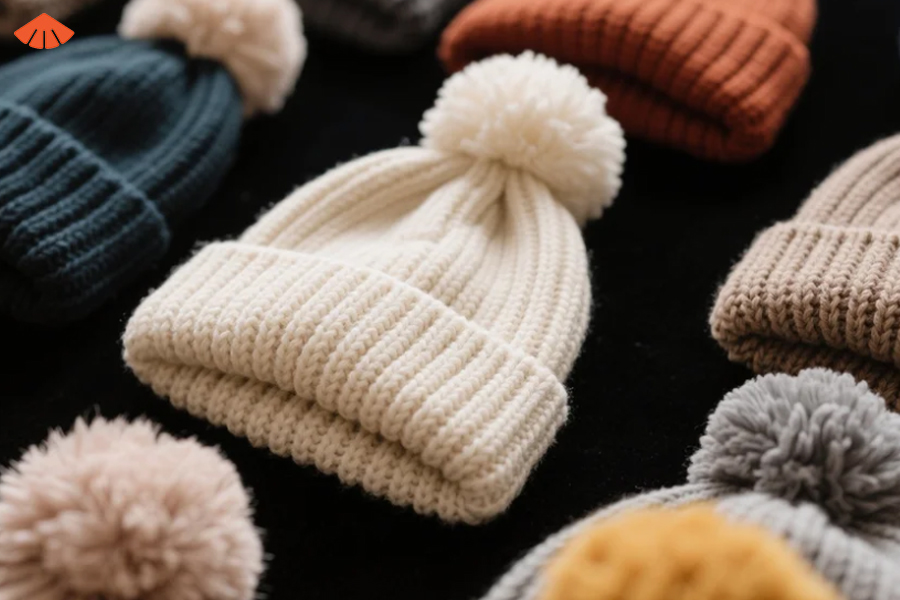
If you’ve ever run your fingers over a $10 fuzzy pom pom beanie and a $100 premium version, you’ve likely wondered: what’s the real difference? For B2B buyers, startup founders, and small business owners, this question directly impacts inventory costs, customer satisfaction, and brand reputation. Acozy thick cable knit cuffedfaux fur pom pom beaniehatmay look similar across price points, but a single snip of the yarn reveals why budget options pill, lose shape, and fail to retain customers.
As of 2026, the global winter headwear market has grown 7.2% year-over-year, with cable knit styles leading demand among consumers aged 18–45. This growth means sourcing the right product is more critical than ever—especially for businesses competing on quality rather than price alone.
1. The Price Divide: What You’re Really Paying For
At first glance, a $15 cuffed beanie with pom pom and an $85 designer style might look nearly identical. Both have a cable knit pattern, a fluffy pom, and a folded cuff. But beneath the surface, material composition, manufacturing standards, and durability testing create massive gaps in long-term value.
1.1 Yarn Quality: The Core of Pilling Resistance
The single biggest factor in beanie performance is yarn quality. Budget options rely on short-staple acrylic fibers that fray easily, while premium styles use long-staple blends that resist friction and maintain smoothness.
Budget yarns: 100% low-grade acrylic with 2–3mm fiber length, prone to pilling after 5–10 wears
Mid-range yarns: 70% acrylic / 30% wool blend with 8–10mm fiber length, moderate pilling after 20+ wears
Premium yarns: 50% merino wool / 40% acrylic / 10% nylon with 15+mm fiber length, minimal pilling after 50+ wears
For an outdoor gear retail shop catering to hikers and cold-weather enthusiasts, yarn quality directly affects repeat business. A beanie that pills after one weekend of camping will drive customers to competitors, while a durable style builds trust and word-of-mouth referrals.
1.2 Manufacturing Craftsmanship: Stitches, Seams, and Shape Retention
Even with great yarn, poor construction can ruin a beanie. Budget factories often cut corners on stitch count, seam finishing, and shaping processes to reduce labor costs.
Stitch density: Budget beanies have 8–10 stitches per inch; premium styles have 14–16 stitches per inch for better wind resistance
Seam finishing: Budget options use raw, overlocked seams that irritate skin; premium styles use flatlock seams for comfort
Shape testing: Premium beanies undergo 20+ stretch-recovery tests; budget styles skip quality control entirely
A 2026 survey of cold weather gear e-tailers found that 68% of product returns for knit hats are due to shape loss after washing. This makes craftsmanship a non-negotiable factor for businesses looking to reduce return rates and protect profit margins.
2. The Pilling Truth: What Happens When You Snip the Yarn
Pilling is the number one complaint consumers have about knit hats. But what causes it, and why do some styles pill far worse than others? The answer lies in fiber length, twist tightness, and surface friction—all visible when you cut open a single yarn strand.
2.1 Why Budget Beanies Pill “Like Crazy”
When you snip a yarn from a $10faux fur pom pom beanie, you’ll notice short, loose fibers that easily pull away from the main strand. These loose fibers catch on fabric, hair, and outerwear, forming tiny balls (pills) on the surface.
Short fiber length means more loose ends protruding from the yarn
Low twist tension allows fibers to slip out with minimal friction
No anti-pilling treatment leaves fibers unprotected against daily wear
For a fashion marketing agency promoting affordable winter accessories, pilling can be a brand disaster. Social media reviews with photos of pilled hats can tank a product’s rating and reduce conversion rates by up to 40%, according to 2026 e-commerce data.
2.2 How Premium Beanies Prevent Pilling (And Why It Matters for B2B)
Premium manufacturers use three key strategies to reduce pilling: long-staple fibers, tight twist construction, and silicone-based anti-pilling coatings. When you cut a premium yarn, you’ll see uniform, tightly bound fibers that resist fraying.
Long-staple fibers have fewer loose ends, reducing pill formation
High twist tension locks fibers in place, even with frequent friction
Anti-pilling treatments create a smooth surface that resists snagging
For B2B buyers, investing in anti-pilling styles means higher customer lifetime value. A thick winter beanie for men that stays looking new for 2+ seasons will generate repeat purchases and positive reviews, unlike budget options that customers replace after a month.
3. 2026 Market Trends: What B2B Buyers Need to Know
The winter hat market is constantly evolving, with new styles, features, and consumer preferences shaping demand. As of 2026, three key trends are dominating thecable knit winter hatspace, and businesses that adapt early will gain a competitive edge.
3.1 Top-Selling Styles for 2026
Consumers are increasingly looking for versatility, comfort, and Instagram-worthy design in their winter accessories. Three styles are leading sales this year:
Oversized faux fur pom pom cable beanie: Extra-large pom poms and slouchy fits are top sellers among Gen Z and millennial shoppers
Soft cozy knit beanie with detachable fur pom: Convertible designs that let users remove the pom for a more casual look are growing 12% faster than traditional styles
Unisex cozy thickcable knit winter hat: Gender-neutral designs with size adjustability appeal to broader audiences and reduce inventory complexity
For small business owners, stocking a mix of these styles can help capture different customer segments. Aslouchy cable knit beanieworks for fashion-focused boutiques, while a rugged thick style is better for outdoor retailers.
3.2 Customization and Sizing: Key Differentiators for B2B
In 2026, customization is no longer a luxury—it’s an expectation. Businesses that offer custom logo&color options can charge 20–30% more for their products and build stronger brand loyalty among corporate clients and boutique brands.
Custom embroidery: Logo placement on the cuff or side is the most popular customization option
Color matching: Pantone-matched yarns help brands align with their visual identity
Size options: Standard
54-58cmsizing fits most adults, but extended size ranges reduce return rates by 15%
An outdoor gear retail shop that offers custom branded beanies for corporate teams can tap into a $2.3B corporate gifting market, according to 2026 industry reports. This is a huge opportunity for businesses willing to invest in customization capabilities.
4. Sourcing Guide for B2B Buyers, Startup Founders, and Small Business Owners
Whether you’re a cold weather gear e-tailer scaling your inventory or a startup founder launching your first accessory line, sourcing the right beanie supplier is critical. Use this guide to avoid common pitfalls and find a partner that aligns with your quality and budget goals.
4.1 How to Vet Suppliers (And Avoid Costly Mistakes)
Not all beanie manufacturers are created equal. To find a reliable supplier, focus on these key factors during the vetting process:
Request yarn samples and perform a pilling test: Rub the sample 50 times with a wool fabric to check for pill formation
Ask for quality control documentation: Look for ISO 9001 certification and third-party testing reports
Order a small batch first: Test 50–100 units before placing a large order to assess quality, sizing, and delivery speed
Check for customization capabilities: Confirm they can handle custom logo&color requests with consistent results
For freelancers and consultants advising fashion brands, supplier vetting is a core service you can offer. Helping clients avoid low-quality suppliers builds trust and positions you as an industry expert.
4.2 Balancing Quality and Profit Margin
The biggest challenge for B2B buyers is finding a balance between product quality and profit margin. You don’t need to stock the most expensive beanie on the market, but you should avoid the cheapest options that will damage your brand reputation.
Entry-level (for discount retailers): $5–$8 cost, $15–$20 retail, moderate pilling, best for price-sensitive audiences
Mid-range (for most boutiques and e-tailers): $10–$15 cost, $30–$45 retail, minimal pilling, best for most customer segments
Premium (for luxury and outdoor brands): $20–$30 cost, $60–$100 retail, near-zero pilling, best for high-end audiences
A fashion marketing agency working with a startup apparel brand might recommend starting with a mid-rangeunisex cozy thickcable knit winter hatto test demand, then expanding to premium styles if sales are strong. This approach minimizes risk while still delivering a quality product.
By understanding the differences between budget and premium beanies, you can make smarter sourcing decisions that benefit your business and your customers. Acozy thick cable knit cuffedfaux fur pom pom beaniehatis more than just a winter accessory—it’s a reflection of your brand’s commitment to quality. In 2026’s competitive market, that commitment can make all the difference between a one-time sale and a lifelong customer.
Interested in custom cap solutions? Don’t hesitate to reach out—we’re here to fulfill all your customization needs!
Follow & Message Us:
Facebook:https://www.facebook.com/fitwell.li
Instagram: www.instagram.com/fitwellcustomhats.dds/
LinkedIn:http://www.linkedin.com/in/fitwellcustom-hats-38a2b9b0/
Pinterest: http://www.pinterest.com/FitwellCustomHatsdds/
YouTube: http://www.youtube.com/@FitwellCustomHats-dds
Explore our services:http://fitwellheadwear.en.alibaba.com
WhatsApp us now: https://psce.pw/86jwa3